Tag: Seo

  • How to Generate High-Quality Leads Online in 2026

    How to Generate High-Quality Leads Online in 2026

    The digital marketing landscape has transformed dramatically over the past two years. With AI-powered search experiences, the deprecation of third-party cookies, and increasingly sophisticated buyer journeys, the strategies that worked in 2024 are no longer sufficient for generating high-quality leads in 2026.

    As someone who has guided Digital Flavour through serving clients across India, UAE, USA, and other competitive markets, I’ve witnessed firsthand how lead generation tactics must evolve. The businesses thriving today aren’t just generating more leads—they’re generating better ones.

    The harsh reality? A hundred mediocre leads won’t move your revenue needle as effectively as ten highly-qualified prospects who are ready to buy. This comprehensive guide by Digital Flavour, Best Digital Marketing Agency will walk you through the exact strategies we’re implementing in 2026 to help our clients attract leads that actually convert into customers.

    What You’ll Learn:

    • How the 2026 lead generation landscape differs from previous years
    • The infrastructure you need before launching any lead generation campaigns
    • Eight proven strategies generating measurable ROI across multiple markets
    • Market-specific tactics for India, UAE, and USA
    • How to measure what actually matters (beyond vanity metrics)
    • Common pitfalls that waste your marketing budget

    Let’s dive in.

    Understanding the 2026 Lead Generation Landscape

    Before we discuss tactics, you need to understand the playing field has fundamentally changed.

    The Major Shifts Since 2024

    AI-Powered Buyer Journeys

    Google’s Search Generative Experience (SGE) and AI-powered search tools have revolutionized how potential customers discover and evaluate solutions. Buyers now receive synthesized answers from multiple sources before ever clicking through to a website. This means your content must be comprehensive enough to rank in AI overviews while compelling enough to drive click-throughs.

    At Digital Flavour, we’ve observed that traditional keyword targeting alone no longer suffices. The queries we optimize for now include conversational, question-based searches that align with how people naturally speak to AI assistants.

    The Cookie-Less Reality

    Third-party cookie deprecation is complete across major browsers. Privacy-first marketing is no longer a choice—it’s mandatory. This shift has forced marketers to become more creative with first-party data collection and contextual targeting.

    The businesses winning in 2026 have invested in building owned audiences through email lists, communities, and compelling lead magnets that people willingly exchange their information for.

    Zero-Click Search Dominance

    More searches than ever are being answered without users clicking any results. Featured snippets, knowledge panels, and AI-generated overviews provide immediate answers. While this might seem detrimental to website traffic, it creates new opportunities for brand visibility and authority-building.

    The key is positioning your brand as the authoritative source that AI tools pull from and cite.

    Multi-Platform Discovery

    Today’s B2B buyers don’t just use Google. They’re researching on LinkedIn, asking questions in Reddit communities, watching educational content on YouTube, and seeking peer recommendations in specialized forums. A single-channel approach to lead generation is a recipe for leaving opportunities on the table.

    What Defines a High-Quality Lead in 2026?

    Not all leads are created equal. Here’s how we assess lead quality at Digital Flavour:

    Behavioral Intent Signals

    High-quality leads demonstrate clear intent through their actions: downloading specific resources, viewing pricing pages multiple times, attending webinars, or engaging with detailed case studies. We’ve moved beyond simple form fills to tracking entire behavioral patterns.

    Proper Qualification

    A quality lead fits your ideal customer profile. They have:

    • The budget to afford your solution
    • The authority to make or influence purchasing decisions
    • A genuine need for what you offer
    • A realistic timeline for implementation

    Engagement Quality

    Are they asking thoughtful questions? Engaging with your content repeatedly? Referring others from their organization? These signals indicate serious interest rather than casual browsing.

    Market-Specific Nuances

    In our UAE markets, relationship-building and trust signals carry more weight. In the USA, efficiency and clear ROI documentation matter most. In India, value for money and scalability are primary concerns. Effective lead generation acknowledges these regional differences.

    Foundation: Your Lead Generation Infrastructure

    Before implementing any tactics, ensure your foundation is solid. I’ve seen countless businesses waste advertising budgets driving traffic to websites that can’t convert.

    1. Website Conversion Optimization

    Your website is your 24/7 salesperson. It must perform flawlessly.

    Core Web Vitals and Page Speed

    Google’s ranking algorithm heavily weighs page experience. If your site loads slowly, potential leads will bounce before seeing your offer. Aim for:

    • Largest Contentful Paint (LCP) under 2.5 seconds
    • First Input Delay (FID) under 100 milliseconds
    • Cumulative Layout Shift (CLS) under 0.1

    Use tools like Google PageSpeed Insights and GTmetrix to identify bottlenecks. Compress images, leverage browser caching, and consider a Content Delivery Network (CDN) for faster global load times—especially critical when serving multiple geographic markets.

    Mobile-First, AI-Chat-Ready Design

    Over 60% of B2B searches now happen on mobile devices. Your site must deliver an exceptional mobile experience with:

    • Tap-friendly buttons and navigation
    • Readable text without zooming
    • Fast-loading mobile pages
    • AI chatbot integration for instant visitor engagement

    Modern buyers expect immediate answers. Implementing an AI-powered chatbot that can qualify leads 24/7 has become table stakes in 2026.

    Strategic CTA Placement

    Every page should have a clear call-to-action (CTA) that guides visitors toward conversion. Best practices include:

    • Above-the-fold CTAs on high-traffic pages
    • Exit-intent popups offering valuable content
    • Sticky CTAs that remain visible while scrolling
    • Multiple CTAs throughout long-form content

    A/B test your CTA copy, colors, and placement. Small changes can yield significant improvements in conversion rates.

    Trust Signals

    In 2026’s skeptical digital environment, trust signals are non-negotiable:

    • Client logos from recognizable companies
    • Detailed case studies with measurable results
    • Industry certifications and awards
    • Video testimonials from satisfied customers
    • Security badges and compliance certifications
    • Real-time social proof (recent sign-ups, active users)

    For Digital Flavour’s multi-market presence, we display region-specific client logos and testimonials to build local credibility.

    2. Lead Magnet Strategy

    Generic PDFs no longer cut it. Your lead magnets must provide genuine value.

    What Works in 2026

    Interactive Tools and Calculators

    ROI calculators, assessment tools, and interactive diagnostic quizzes generate the highest-quality leads. They require meaningful engagement and provide personalized value, making visitors more willing to share contact information.

    Examples:

    • Marketing budget calculator
    • Website audit tool
    • Lead generation readiness assessment
    • Industry benchmark comparison tool

    AI-Powered Personalized Assessments

    Tools that analyze a user’s specific situation and deliver customized recommendations see exceptional conversion rates. These demonstrate expertise while capturing detailed lead data.

    Exclusive Research and Data

    Original research, industry reports, and proprietary data offer value that can’t be found elsewhere. Annual industry surveys and trend reports position your brand as a thought leader.

    Expert-Led Webinars and Workshops

    Live webinars with Q&A sessions generate highly-engaged leads. The interactive nature allows relationship-building before the sales conversation begins.

    Gated vs. Ungated Content Decision Framework

    Not everything should require form submission. Gate content based on:

    Gate when:

    • Content took significant time/resources to create
    • Information provides substantial competitive advantage
    • Content targets bottom-of-funnel prospects close to purchase decisions
    • You offer highly specialized, proprietary insights

    Leave ungated when:

    • Building brand awareness is the primary goal
    • Content benefits from wide distribution and social sharing
    • You’re targeting top-of-funnel prospects still learning
    • SEO traffic and visibility matter more than lead capture

    3. CRM and Marketing Automation Setup

    Manual lead management doesn’t scale. Invest in the right technology stack.

    Essential Tech Stack for 2026

    Your marketing technology should include:

    • CRM Platform: HubSpot, Salesforce, or Zoho for centralized lead management
    • Marketing Automation: Automated email sequences, behavioral triggers, lead nurturing workflows
    • Analytics: Google Analytics 4, Mixpanel, or Amplitude for behavioral tracking
    • Lead Enrichment: Clearbit, ZoomInfo, or similar tools to enhance lead data
    • Chat Tools: Drift, Intercom, or Qualified for real-time engagement
    • Attribution Software: Tools that track multi-touch attribution across channels

    Lead Scoring Models That Actually Work

    Not all leads deserve immediate sales outreach. Implement scoring based on:

    Demographic Scoring:

    • Company size aligns with ICP
    • Industry fit
    • Job title indicates decision-making authority
    • Geographic location

    Behavioral Scoring:

    • Pages viewed (especially pricing, case studies)
    • Time spent on site
    • Content downloaded
    • Email engagement (opens, clicks)
    • Webinar attendance
    • Form submissions

    At Digital Flavour, we assign point values to each action. Once a lead crosses a threshold (typically 70-100 points), they’re routed to sales as “hot leads” requiring immediate follow-up.

    Integration with AI Tools

    Modern lead generation leverages AI for:

    • Predictive lead scoring
    • Automated lead enrichment
    • Personalized content recommendations
    • Chatbot conversations that pre-qualify visitors
    • Intelligent routing to the right sales representative

    8 Proven Strategies to Generate High-Quality Leads in 2026

    Now let’s explore the tactics driving real results across our client portfolio.

    Strategy 1: AI-Powered SEO and Search Intent Optimization

    Search engine optimization remains a cornerstone of lead generation, but the approach has evolved significantly.

    How SGE Changes Keyword Strategy

    Google’s Search Generative Experience synthesizes information from multiple sources before presenting traditional search results. To appear in SGE overviews:

    • Create comprehensive, authoritative content that answers complete questions
    • Structure content with clear headings and semantic HTML
    • Include data, statistics, and expert insights AI can cite
    • Update content regularly to maintain freshness signals

    Creating Content That Ranks AND Converts

    Ranking is meaningless without conversions. Every piece of content should:

    • Address specific pain points your ideal customers face
    • Include strategic CTAs at natural transition points
    • Feature internal links to conversion-focused pages
    • Demonstrate expertise that builds trust

    Featured Snippet and AI Overview Optimization

    To capture position zero and AI overviews:

    • Use question-based headings (H2, H3) that match search queries
    • Provide concise, direct answers in the first paragraph
    • Format content with bulleted lists, numbered steps, and tables
    • Include schema markup for enhanced visibility

    Regional SEO Considerations

    For agencies like Digital Flavour serving multiple markets:

    India:

    • Optimize for vernacular language searches gaining traction
    • Target long-tail keywords with lower competition
    • Focus on value-oriented messaging in content
    • Build citations in Indian business directories

    UAE:

    • Create Arabic versions of key landing pages
    • Optimize for location-specific searches in Dubai, Abu Dhabi, Sharjah
    • Target expatriate audiences with English content
    • Build authority through .ae domains when appropriate

    USA:

    • Compete for high-volume commercial keywords
    • Invest in comprehensive pillar content strategies
    • Target decision-makers with ROI-focused messaging
    • Build backlinks from authoritative American publications

    Quick Win: Identify 10 question-based queries your ideal customers search for. Create comprehensive answers (1,500+ words) optimized for featured snippets with clear headings, definitions, and practical examples.

    Strategy 2: Strategic LinkedIn Lead Generation

    LinkedIn has cemented its position as the premier B2B lead generation platform in 2026.

    Why LinkedIn Dominates B2B in 2026

    With over 950 million professionals, LinkedIn offers unmatched targeting capabilities. Decision-makers actively use the platform for professional development, making it ideal for reaching buyers during their research phase.

    Profile Optimization for Founder Visibility

    Your personal LinkedIn profile is a powerful lead generation asset. Optimize by:

    • Writing a headline focused on the problems you solve, not just your title
    • Crafting an “About” section that speaks directly to your ideal client’s pain points
    • Showcasing results-driven case studies in your featured section
    • Including clear contact information and CTAs
    • Maintaining an active posting schedule (3-5x per week minimum)

    For me personally, transforming my LinkedIn presence from a static resume to an active thought leadership platform has generated 30% of Digital Flavour’s inbound leads.

    Content Formats That Drive Inbound Leads

    Carousel Posts

    Multi-slide PDFs or images perform exceptionally well:

    • “7 Marketing Mistakes Costing You Leads”
    • “Before & After: Website Conversion Optimization”
    • “The Complete Guide to [Industry-Specific Topic]”

    Thought Leadership Posts

    Share contrarian perspectives, lessons learned, and industry insights:

    • Analyze recent industry news with your expert take
    • Share behind-the-scenes of your business
    • Post success stories and case studies
    • Debate trending topics in your space

    Polls and Interactive Content

    Polls boost engagement and provide market research:

    • “What’s your biggest lead generation challenge?”
    • “Which content format do you prefer?”
    • “How much of your revenue comes from inbound vs. outbound?”

    LinkedIn Ads Targeting Strategies

    LinkedIn’s targeting capabilities justify the premium cost when done correctly:

    Targeting Options:

    • Job titles, functions, and seniority levels
    • Company size and industry
    • Skills and interests
    • LinkedIn groups membership
    • Matched audiences (upload email lists)

    Best-Performing Ad Formats:

    • Sponsored Content: Native ads in feed, ideal for content promotion
    • Message Ads: Direct messages to prospects (use sparingly)
    • Lead Gen Forms: Pre-filled forms reduce friction
    • Thought Leader Ads: Amplify personal posts from executives

    Quick Win: Implement the “comment engagement” strategy—spend 15 minutes daily commenting thoughtfully on posts from your ideal customers and industry influencers. Focus on adding genuine value, not self-promotion. This builds visibility and relationships that lead to inbound inquiries.

    Strategy 3: Account-Based Marketing (ABM) 2.0

    For high-value B2B sales, ABM delivers superior results compared to broad lead generation tactics.

    Identifying and Targeting High-Value Accounts

    Create a tier-1 target account list based on:

    • Revenue potential (3-year customer lifetime value)
    • Strategic fit with your services
    • Likelihood of success (industry, company size, tech stack)
    • Existing relationships or warm introductions available

    Aim for 20-50 tier-1 accounts deserving concentrated resources.

    Multi-Channel ABM Orchestration

    Engage target accounts across multiple touchpoints:

    LinkedIn:

    • Connect with multiple stakeholders
    • Engage with their content regularly
    • Share relevant content they’d find valuable
    • Send personalized connection requests and messages

    Email:

    • Personalized outreach sequences
    • Triggered emails based on website behavior
    • Account-specific newsletters

    Display Advertising:

    • Retarget website visitors from target accounts
    • Serve display ads to IP addresses of target companies
    • Use LinkedIn ads to reach specific companies

    Direct Mail:

    • Send personalized packages to key decision-makers
    • Include relevant case studies and ROI data
    • Follow up with coordinated digital touchpoints

    Personalization at Scale Using AI Tools

    AI makes ABM scalable:

    • Auto-generate personalized email copy
    • Create custom landing pages for each account
    • Develop account-specific content recommendations
    • Analyze engagement patterns to optimize outreach timing

    Quick Win: Create a top 50 target account list. Research each company’s recent news, challenges, and initiatives. Craft personalized outreach messages referencing specific pain points they’re likely experiencing. This approach generates 10x higher response rates than generic templates.

    Strategy 4: Conversion Rate Optimization (CRO)

    Doubling your conversion rate has the same impact as doubling your traffic—but it’s often easier and more cost-effective.

    Heat Mapping and User Behavior Analysis

    Tools like Hotjar, Crazy Egg, and Microsoft Clarity reveal:

    • Where visitors click (and where they expect to click but can’t)
    • How far they scroll before leaving
    • Which page elements attract attention
    • Where visitors get confused or frustrated

    Use this data to identify and eliminate conversion barriers.

    A/B Testing Frameworks That Generate Learnings

    Effective A/B testing follows a structured approach:

    1. Hypothesize: Based on data, predict what change will improve conversions and why
    2. Prioritize: Use the ICE framework (Impact × Confidence × Ease) to rank tests
    3. Test One Variable: Change one element at a time for clear attribution
    4. Gather Statistical Significance: Run tests until you have adequate sample size
    5. Implement Winners: Apply learnings site-wide
    6. Document: Build a knowledge base of what works

    Elements Worth Testing:

    • Headline variations
    • CTA button color, size, and copy
    • Form length and field order
    • Social proof placement and format
    • Page layout and visual hierarchy
    • Pricing display methods

    Form Optimization

    Every additional form field reduces conversion rates. Optimize by:

    • Asking only for essential information initially
    • Using progressive profiling (gather more data over time)
    • Implementing conversational forms that feel like chat
    • Making optional fields clearly marked
    • Providing context for why you need each piece of information
    • Enabling social login options (Google, LinkedIn)

    Landing Page Psychology Principles

    High-converting landing pages leverage:

    Clarity Over Creativity: Visitors should understand your offer within 3 seconds Single Focus: One goal per page, eliminate distractions Social Proof: Testimonials, logos, statistics that build credibility Urgency: Limited-time offers or scarcity triggers (use ethically) Visual Hierarchy: Guide eyes to the most important elements Benefit-Focused Copy: Emphasize outcomes, not features

    Quick Win: Implement exit-intent popups with value-driven offers. When visitors move to close the tab, present a compelling lead magnet. This simple addition can recover 10-15% of abandoning visitors as leads.

    Strategy 5: Strategic Content Marketing & Thought Leadership

    Content marketing remains powerful when executed strategically rather than simply publishing blog posts.

    Moving From Blog Posts to Content Experiences

    In 2026, static blog posts compete with interactive content:

    Interactive Formats:

    • Calculators and assessment tools
    • Interactive infographics
    • Quizzes with personalized results
    • Comparison tools
    • Configuration builders

    These formats generate 2-3x more leads than traditional articles while providing genuine value.

    Video Content for Lead Generation

    Video dominates content consumption:

    YouTube Strategies:

    • Educational tutorials addressing common problems
    • Product demonstrations and walkthroughs
    • Client success stories and testimonials
    • Industry trend analysis and predictions
    • SEO-optimized titles and descriptions for discovery

    Short-Form Video:

    • LinkedIn native video (1-3 minutes)
    • Instagram Reels and TikTok for B2C
    • Video testimonials on landing pages
    • Explainer videos above the fold

    Podcasting and Audio Content Opportunities

    Podcasting offers unique advantages:

    • Build deep relationships with listeners
    • Position as an industry authority
    • Generate backlinks when mentioned in show notes
    • Repurpose content across multiple formats
    • Attract guests who become referral partners

    Content Repurposing Strategy

    Maximize ROI by transforming one piece of content into multiple assets:

    From One Webinar:

    • Full recording on YouTube
    • Shorter clips for LinkedIn
    • Blog post summary
    • Slide deck on SlideShare
    • Podcast episode (audio only)
    • Email series with key takeaways
    • Social media quote graphics
    • Downloadable resource guide

    Quick Win: Launch a case study series showcasing measurable client results. Include specific metrics, challenges faced, solutions implemented, and tangible outcomes. Optimize each case study for relevant industry keywords and promote across all channels.

    Strategy 6: Paid Advertising with Lead Quality Focus

    Paid ads remain effective when quality, not just volume, is the priority.

    Google Ads: Search Intent Targeting

    Success with Google Ads in 2026 requires:

    Keyword Strategies:

    • Focus on high-intent keywords (bottom-of-funnel)
    • Include negative keywords extensively to filter out unqualified traffic
    • Use exact and phrase match for better control
    • Bid on competitor brand terms strategically

    Ad Copy Best Practices:

    • Include specific benefits and differentiation
    • Use ad extensions (sitelinks, callouts, structured snippets)
    • Highlight unique value propositions
    • Include clear calls-to-action
    • Test multiple variations continuously

    Landing Page Alignment:

    • Message match between ad copy and landing page
    • Fast load times (critical for Quality Score)
    • Mobile-optimized experience
    • Minimal form fields
    • Strong trust signals

    Meta Ads: Lookalike Audiences and Retargeting

    Facebook and Instagram ads work for B2B when used correctly:

    Audience Building:

    • Upload customer email lists to create custom audiences
    • Generate lookalike audiences based on best customers
    • Target specific interests and behaviors
    • Layer demographic filters for precision

    Retargeting Sequences:

    • Website visitors who didn’t convert
    • Content engagers who watched videos or read articles
    • Email list non-openers
    • Shopping cart abandoners

    Creative Best Practices:

    • Use video whenever possible (higher engagement)
    • Test multiple ad formats (carousel, single image, video)
    • Include social proof in ad creative
    • Clear, benefit-focused messaging
    • Strong visual contrast to stop the scroll

    LinkedIn Ads: Decision-Maker Targeting

    LinkedIn’s premium pricing is justified when targeting is precise:

    Targeting Strategies:

    • Layer multiple criteria (title + industry + company size)
    • Use account-based targeting for ABM campaigns
    • Retarget website visitors with LinkedIn Matched Audiences
    • Target specific company lists

    Budget Recommendations:

    • Minimum $5,000/month for meaningful testing
    • Allocate 70% to proven campaigns, 30% to testing
    • Focus on lead quality metrics over volume

    Budget Allocation Across Markets

    India:

    • Lower CPCs allow for more experimentation
    • Focus on Google Ads and LinkedIn
    • Test vernacular language ads
    • Average CPC: $0.50-$2.00

    UAE:

    • Higher CPCs require efficient targeting
    • Emphasize quality over volume
    • LinkedIn performs exceptionally well
    • Average CPC: $3.00-$8.00

    USA:

    • Most competitive market with highest CPCs
    • Require larger budgets for impact
    • Multi-channel approach essential
    • Average CPC: $5.00-$15.00+

    Quick Win: Implement lead quality scoring in your ad platform. Track not just lead volume but conversion rate to qualified opportunity and customer. Pause campaigns generating low-quality leads even if CPC is attractive. Optimize for quality, not quantity.

    Strategy 7: Community-Led Growth

    Building and nurturing communities creates sustainable lead generation engines.

    Building Engaged Communities

    Create spaces where your ideal customers naturally gather:

    Platform Options:

    • Slack or Discord communities for ongoing discussion
    • LinkedIn Groups (if you’ll actively moderate)
    • Private Facebook Groups
    • Circle or Mighty Networks for branded communities

    Community Management Best Practices:

    • Establish clear community guidelines
    • Facilitate valuable discussions, don’t just broadcast
    • Highlight member wins and contributions
    • Host exclusive events for members
    • Connect members with each other
    • Provide resources members can’t get elsewhere

    Reddit and Niche Forum Strategies

    Reddit offers access to highly-targeted audiences when approached authentically:

    How to Engage Without Spamming:

    • Participate genuinely before ever mentioning your business
    • Provide thoughtful, helpful answers to questions
    • Share expertise without pitching
    • Build reputation through consistent value
    • When appropriate, mention your solution naturally
    • Never use the same account for only self-promotion

    Collaborative Partnerships and Co-Marketing

    Partner with complementary businesses to access new audiences:

    Partnership Opportunities:

    • Co-hosted webinars with shared audiences
    • Guest blogging on each other’s platforms
    • Bundle offerings for mutual customers
    • Referral partnerships with revenue sharing
    • Joint research reports or industry surveys
    • Cross-promotion in email newsletters

    Webinars and Virtual Events

    Well-executed webinars generate highly-engaged leads:

    Pre-Event:

    • Partner with industry influencers as co-hosts
    • Promote across all channels for 2-3 weeks
    • Send reminder sequences to registrants
    • Create a compelling topic that solves real problems

    During Event:

    • Deliver genuine value, not thinly-veiled sales pitches
    • Include interactive elements (polls, Q&A, chat)
    • Share actionable takeaways attendees can implement immediately
    • Make a soft offer at the end for those wanting more help

    Post-Event:

    • Follow up with attendees within 24 hours
    • Share recording with registrants who couldn’t attend
    • Segment attendees by engagement level
    • Route hot leads to sales immediately
    • Nurture others through email sequences

    Quick Win: Start a monthly roundtable or mastermind for target clients. Keep groups small (10-15 people) for meaningful interaction. Position as peer learning, not sales. Many attendees will naturally become clients when they need your specific expertise.

    Strategy 8: Marketing Automation & Lead Nurturing

    The fortune is in the follow-up. Most leads aren’t ready to buy immediately.

    Behavioral Email Sequences

    Triggered emails based on specific actions outperform scheduled broadcasts:

    Trigger Examples:

    • Downloaded specific lead magnet → Send related content sequence
    • Visited pricing page → Trigger sales-focused emails
    • Abandoned form → Send reminder with incentive
    • Engaged with email but didn’t convert → Send case study
    • Inactive for 30 days → Re-engagement campaign

    Sequence Structure:

    • Email 1: Deliver promised resource, set expectations
    • Email 2 (2 days later): Share related insight or tip
    • Email 3 (4 days later): Provide case study or social proof
    • Email 4 (7 days later): Address common objections
    • Email 5 (14 days later): Clear call-to-action or offer

    Multi-Touch Attribution and Journey Mapping

    Understand the complete customer journey:

    Attribution Models:

    • First-touch: Credit to initial discovery source
    • Last-touch: Credit to final touchpoint before conversion
    • Linear: Equal credit across all touchpoints
    • Time-decay: More credit to recent touchpoints
    • Custom: Weighted based on your sales cycle

    Most B2B buyers interact with 7-13 touchpoints before purchasing. Attribution reveals which channels and content types drive conversions.

    Chatbots and Conversational Marketing

    AI-powered chatbots qualify leads 24/7:

    Chatbot Use Cases:

    • Answer common questions instantly
    • Route visitors to relevant content
    • Qualify leads through conversational questions
    • Schedule meetings directly
    • Capture lead information naturally

    Implementation Best Practices:

    • Keep initial bot interactions simple
    • Offer human handoff option
    • Use conversation data to improve over time
    • Test different conversation flows
    • Integrate with CRM for seamless lead capture

    Retargeting Strategies Across Channels

    Stay top-of-mind with multi-channel retargeting:

    Google Display Network:

    • Retarget website visitors who didn’t convert
    • Show display ads across millions of websites
    • Segment audiences by pages visited

    Social Media Retargeting:

    • Facebook/Instagram pixel tracking
    • LinkedIn Matched Audiences
    • Twitter retargeting

    Email Retargeting:

    • Suppressed lists (visited site but didn’t engage with emails)
    • Re-engagement campaigns for inactive subscribers

    Quick Win: Set up a 7-email nurture sequence for cold leads. Focus on education, not sales. Share valuable insights, case studies, and resources. Include soft CTAs. Many leads need 6-12 months of nurturing before becoming sales-ready—automation ensures you stay visible throughout their journey.

    Market-Specific Considerations

    One-size-fits-all strategies fail when operating across diverse markets. Here’s how to adapt.

    Adapting Strategies for Different Regions

    India: Cost-Effective Tactics and Local Nuances

    The Indian market requires value-focused messaging and culturally-appropriate approaches:

    Key Strategies:

    • Emphasize ROI and cost-effectiveness prominently
    • Leverage WhatsApp Business for communication (preferred over email)
    • Create content in regional languages for broader reach
    • Build trust through testimonials from Indian companies
    • Offer flexible payment terms
    • Participate in Indian industry events and awards

    Local Platforms:

    • IndiaMart for B2B lead generation
    • LinkedIn performs well for enterprise
    • Google Ads with vernacular keywords
    • YouTube for educational content in Hindi/English

    Cultural Considerations:

    • Relationship-building precedes business discussions
    • Decision-making may involve multiple stakeholders
    • Price negotiations are expected
    • Personal connections and referrals carry significant weight

    UAE: Premium Positioning and Trust-Building

    The UAE market values quality, professionalism, and established credibility:

    Key Strategies:

    • Premium positioning with luxury branding
    • Arabic language content for local audiences
    • Emphasis on international credentials and certifications
    • High-quality visual content and production values
    • In-person meetings remain important for closing deals
    • Building relationships through business networking events

    Trust Signals:

    • Showcase work with other UAE-based companies
    • Highlight international client portfolio
    • Professional office presence in Dubai or Abu Dhabi
    • Team bios demonstrating experience and credentials

    Cultural Considerations:

    • Conservative approach to marketing content
    • Respect for hierarchy in B2B sales
    • Relationship development takes time
    • Discretion and confidentiality highly valued
    • Business operates Thursday-Monday in many sectors

    USA: Premium Positioning and Competitive Differentiation

    The US market is highly competitive with sophisticated buyers:

    Key Strategies:

    • Clear differentiation from competitors
    • Data-driven ROI demonstrations
    • Comprehensive case studies with metrics
    • Thought leadership through speaking and publishing
    • Fast response times and efficient processes
    • Scalability and technology integration

    Compliance Considerations:

    • GDPR compliance for California residents (CCPA)
    • CAN-SPAM Act for email marketing
    • Accessibility standards (ADA compliance)
    • Privacy policies and data protection

    Market Dynamics:

    • Buyers expect self-service information
    • Decision cycles can be faster than other markets
    • Strong emphasis on innovation and technology
    • Competitive pricing with value justification

    Budget Recommendations by Market

    Starting Budgets for Effective Lead Generation:

    India:

    • Minimum monthly budget: ₹50,000-₹1,00,000 ($600-$1,200)
    • Focus: Google Ads, LinkedIn, Content Marketing
    • Expected quality leads per month: 20-50

    UAE:

    • Minimum monthly budget: AED 10,000-20,000 ($2,700-$5,400)
    • Focus: LinkedIn Ads, Google Ads, Events
    • Expected quality leads per month: 10-25

    USA:

    • Minimum monthly budget: $5,000-$10,000
    • Focus: Multi-channel approach (PPC, LinkedIn, Content, ABM)
    • Expected quality leads per month: 15-40

    Note: These are baseline budgets for meaningful testing. Scale based on performance and market opportunity.

    Measuring Success: KPIs That Matter

    Vanity metrics feel good but don’t drive business results. Focus on metrics that directly impact revenue.

    Beyond Vanity Metrics

    Meaningful KPIs:

    Lead-to-Customer Conversion Rate The percentage of leads that become paying customers. This single metric reveals lead quality more than any other.

    Industry benchmarks:

    • B2B services: 2-5%
    • B2B SaaS: 1-3%
    • B2C: 0.5-2%

    If your conversion rate falls below these ranges, you have either a lead quality problem or a sales process problem.

    Cost Per Qualified Lead by Channel Total spend divided by qualified leads (not total leads). Track per channel to identify your most efficient sources.

    Calculate: Total channel spend ÷ Number of qualified leads = CPL

    Qualified leads meet your defined criteria (ICP fit, budget, timeline, authority).

    Lead Quality Score Assign point values to demographic and behavioral factors. Track average quality score of leads by source.

    If a channel generates high volume but low-quality scores, adjust targeting or pause the campaign.

    Sales Cycle Length Time from first touch to closed deal. Shorter cycles indicate better lead quality and sales alignment.

    Track by lead source. Channels generating leads with 30% shorter sales cycles are more valuable even if CPL is higher.

    Customer Acquisition Cost (CAC) Total sales and marketing spend divided by number of new customers.

    Formula: (Sales expenses + Marketing expenses) ÷ New customers acquired

    Lifetime Value (LTV) Total revenue expected from a customer over their entire relationship with your business.

    The golden ratio: LTV should be 3x or higher than CAC for sustainable growth.

    Channel Attribution Understanding which touchpoints contribute to conversions:

    • First-touch attribution
    • Last-touch attribution
    • Multi-touch attribution
    • Time-decay attribution

    Most businesses benefit from multi-touch attribution revealing the complete customer journey.

    Tools for Tracking

    Analytics Platforms:

    • Google Analytics 4 (free, essential baseline)
    • Mixpanel (behavioral analytics)
    • Amplitude (product analytics)

    CRM Dashboards:

    • HubSpot (all-in-one marketing, sales, service)
    • Salesforce (enterprise-level customization)
    • Pipedrive (visual pipeline management)

    Custom Reporting:

    • Google Data Studio/Looker Studio (free visualization)
    • Tableau (enterprise business intelligence)
    • Power BI (Microsoft ecosystem integration)

    Attribution Tools:

    • Ruler Analytics
    • Bizible (Marketo)
    • HubSpot Attribution Reporting

    Set up weekly reports tracking:

    1. Lead volume by source
    2. Lead quality by source
    3. Conversion rates by source
    4. Cost per qualified lead
    5. Pipeline value generated
    6. Closed revenue attributed

    Common Mistakes to Avoid

    Learn from others’ expensive lessons. These mistakes waste budgets and opportunities.

    1. Chasing Quantity Over Quality

    Generating 1,000 unqualified leads creates more problems than solutions. Your sales team wastes time on dead-ends, costs pile up, and morale drops.

    Better approach: Define your ideal customer profile precisely. Optimize campaigns for quality signals. Better to have 50 qualified leads than 500 tire-kickers.

    2. Ignoring Lead Nurturing Post-Capture

    Studies show 50% of leads are qualified but not yet ready to buy. Failing to nurture means leaving money on the table.

    Better approach: Build automated nurture sequences. Provide value over time. Stay top-of-mind so when they’re ready, you’re the obvious choice.

    3. Not Aligning Sales and Marketing Teams

    When sales and marketing operate in silos, leads fall through cracks and opportunities are missed.

    Better approach: Establish service-level agreements (SLAs). Marketing commits to lead volume and quality. Sales commits to follow-up speed and feedback. Hold regular alignment meetings.

    4. Failing to Optimize for Mobile

    With 60%+ of searches happening on mobile, poor mobile experience kills conversions.

    Better approach: Design mobile-first. Test extensively on actual devices. Ensure forms work flawlessly on smartphones. Monitor mobile-specific conversion rates.

    5. Neglecting Existing Customer Referrals

    Your best customers are your most credible salespeople. Yet most businesses don’t systematically ask for referrals.

    Better approach: Build referral processes into your customer journey. Ask satisfied customers for introductions. Incentivize referrals. Track referral sources in your CRM.

    6. Over-Reliance on a Single Channel

    When one channel drives 80% of leads, you’re vulnerable to algorithm changes, price increases, or market shifts.

    Better approach: Diversify across 3-5 lead sources. Test new channels quarterly. Build owned audiences (email lists, communities) that you control.

    Conclusion: The New Rules of Lead Generation

    Lead generation in 2026 isn’t about hacks or shortcuts. It’s about understanding your ideal customer deeply, meeting them where they are, and providing genuine value throughout their journey.

    The businesses generating the highest quality leads have embraced several fundamental shifts:

    From Interruption to Invitation: Modern buyers research independently. Your role is to be discoverable and helpful when they’re seeking solutions.

    From Volume to Value: Ten qualified leads beat one hundred unqualified ones. Every time.

    From Single Touch to Multi-Touch: Buyers need 7-13 touchpoints before converting. Your lead generation must span multiple channels and content types.

    From Manual to Automated: Technology enables personalization at scale. Leverage marketing automation to nurture thousands of leads with the care previously reserved for a few.

    From Siloed to Integrated: Your best results come from integrated campaigns where SEO, paid ads, content, email, and social work together toward common goals.

    The strategies outlined in this guide aren’t theoretical—they’re the exact approaches we’re implementing at Digital Flavour for clients across India, UAE, USA, and beyond. Some will work better for your specific market and business model. The key is to test, measure, and optimize continuously.

    Start with your foundation. Ensure your website converts effectively before driving traffic. Build your lead magnets and nurture sequences before launching paid campaigns. Then, implement 2-3 strategies from this guide. Master them before adding more.

    Most importantly, remember that high-quality leads come from genuinely helping your target audience. When you solve their problems, answer their questions, and demonstrate expertise, lead generation becomes the natural result of your value creation.

    Ready to Transform Your Lead Generation?

    At Digital Flavour, we help businesses across India, UAE, and USA implement these exact strategies to generate qualified leads that convert into customers. If you’d like a customized lead generation strategy for your specific market and business model, let’s talk.

    [Schedule a complimentary lead generation audit →]

    About the Author

    Ragini Neema is the CEO and Founder of Digital Flavour, a digital marketing agency serving clients across India, UAE, USA, and other high-growth markets. With over years of experience in digital marketing, Ragini has helped dozens of businesses transform their lead generation strategies and scale their revenue through data-driven marketing.

    Digital Flavour specializes in SEO, paid advertising, content marketing, and conversion optimization for B2B and B2C businesses seeking sustainable growth through online channels.
  • How Much Does SEO Really Cost in 2026? (Complete Breakdown)

    How Much Does SEO Really Cost in 2026? (Complete Breakdown)

    If you’re considering investing in SEO for your business, you’re probably wondering about the real SEO costs involved. After working with hundreds of businesses over the past decade at Digital Flavour, I’ve seen firsthand how pricing varies dramatically based on goals, industry, and the expertise level needed. The truth is, the average monthly cost for SEO services ranges from $1,000-$2,500, but with the global SEO services market reaching $74.9 billion in 2026, businesses of all sizes are making significant investments in organic search visibility.

    In this comprehensive guide backed by industry research and data from over 300 SEO professionals, I’ll break down exactly what you can expect to pay for SEO services in 2026 and what return you’ll get on your investment. Having built Digital Flavour’s client success framework around these principles, I’m sharing the insights that have helped our clients make informed SEO investment decisions.

    The State of SEO Investment in 2026

    Before diving into specific costs, let me share why we’re seeing businesses increase their SEO budgets at Digital Flavour and across the industry. SEO returns $22 for every $1 spent, making it one of the highest ROI marketing channels available. More importantly, from what I’ve observed working with diverse clients, organic traffic consistently delivers higher purchase intent and stronger lead quality compared to other channels.

    70% of agencies either increased their pricing recently or plan to in 2026, reflecting both rising demand and the increasing complexity of modern SEO. The rise of AI-powered search, including Google’s AI Overviews and platforms like ChatGPT, has added new layers of optimization that agencies must master.

    Market Growth and Demand

    The SEO services market is projected to reach $127.3 billion by 2030, growing at a 12.3% CAGR. This explosive growth reflects businesses recognizing that organic search remains the cornerstone of digital discovery, with search engines still being where most online experiences begin.

    Understanding SEO Pricing Models

    Throughout my years at Digital Flavour, I’ve worked with every pricing model imaginable. SEO agencies structure their pricing in several ways, each suited to different business needs and project types. Let me walk you through these models so you can evaluate proposals effectively and choose what fits your budget and goals.

    Monthly Retainer (Most Common)

    Monthly retainers represent the industry standard, with 78% of SEO providers using retainer models. This approach provides ongoing optimization, content creation, link building, and technical maintenance—all essential for sustained rankings.

    Industry Data on Monthly Pricing:

    64% of agencies charge below $1,000 per month, with 30% charging less than $500 per month. However, these lower-tier services often provide limited results. Research shows that companies that spend more than $500 per month on SEO are far more likely to be satisfied with the service than those spending less than $500 per month.

    Here’s what the data reveals about monthly retainer pricing:

    • Under $500/month: Entry-level services, often limited scope
    • $500-$1,000/month: The most popular pricing range, suitable for small local businesses
    • $1,000-$2,000/month: Mid-tier services for competitive local markets
    • $2,000-$5,000/month: Professional services for regional businesses
    • $5,000+/month: Only 2% of agencies, typically enterprise-level campaigns

    Monthly retainers average $2,000-$4,000 across the industry, with this range representing where most established agencies position their standard packages.

    Hourly Consulting

    Hourly rates provide flexibility for businesses needing strategic guidance without full-service execution. Hourly rates for SEO consultants usually range from $50 to $100, though experience and location significantly impact pricing.

    Hourly Rate Breakdown by Experience:

    Based on survey data from 300+ SEO professionals:

    • Entry-level ($50 or less/hour): About 40% of professionals with less than 3 years experience charge this much, with rates averaging $30 per hour in India and Latin America, while in the US, UK, and Australia, they average $45 per hour
    • Mid-level ($50-$100/hour): Standard rate for professionals with 4-6 years of experience, representing the most common pricing tier globally, averaging $75/hour in US/UK/Australia and $65/hour in Western Europe
    • Senior-level ($100-$150/hour): Experienced professionals with proven track records
    • Expert consultants ($150-$300+/hour): Industry leaders with specialized expertise

    60% set their hourly rates below $100, but geographical differences matter significantly. 40% of agencies in the US and Canada charge over $125 per hour, while only 6% of European agencies charge the same fee.

    Project-Based Pricing

    For specific deliverables, project-based pricing offers predictable costs. The most popular pricing range is $500-$2,000 per project, with 66% of agencies charging under $2,000 per project.

    Common Project Costs:

    • SEO Audit: $500 to $30,000, depending on scope and depth of analysis
    • Keyword Research: $300 to $2,000, depending on how many topics, competitors, and intent categories need evaluation
    • On-Page Optimization: $100 to $500 per page, covering metadata updates, internal linking, structured headings, and keyword placement
    • Content Creation: $150 to $1,000 per piece, based on length and complexity
    • Link Building: $100 to $500 per link, depending on authority and relevance of target websites
    • Technical SEO: $2,000 to $10,000 depending on site complexity

    Performance-Based Pricing

    While less common, performance-based models are gaining traction. Performance-linked pricing, although only 19% of spend, is expanding at 19.0% CAGR as clients seek accountability. However, be cautious—any agency guaranteeing specific rankings should be viewed skeptically, as no one can guarantee Google’s algorithm outcomes.

    SEO Cost Breakdown by Business Size

    In my experience working with companies from startups to enterprises, your business size, competition level, and market scope dramatically influence what you should invest in SEO. Here’s what research shows about typical investments across business categories, along with insights from our work at Digital Flavour.

    Small Business SEO Cost

    Small businesses focusing on local markets or niche keywords represent a significant portion of SEO spending. Small and Medium Enterprises made up 59% of the SEO market, making this the largest client segment.

    Recommended Investment: At least $1,500 monthly on SEO to see results and improvements, though some entry-level services start at $500-$1,000.

    What You Get:

    • Google Business Profile optimization and local citation building
    • Basic on-page optimization for 10-20 pages
    • Monthly content creation (2-4 blog posts)
    • Local link building initiatives
    • Monthly reporting and analytics review
    • Technical SEO fundamentals

    At this level, you’re typically working with smaller agencies or experienced freelancers. The focus is on foundational work that delivers quick wins in local search visibility. At Digital Flavour, we’ve helped dozens of small businesses in this category achieve first-page rankings within 6 months by focusing on these fundamentals.

    Mid-Sized Business SEO Cost

    Mid-sized businesses competing in regional or national markets need more comprehensive strategies. SEO pricing typically falls between $3,000-$7,500 per month for this segment.

    Recommended Investment: $3,000-$7,500/month

    What You Get:

    • Comprehensive keyword research covering 50-200 target keywords
    • Technical SEO audits and ongoing fixes
    • On-page optimization for 30-100 pages
    • Weekly content production (4-8 pieces monthly)
    • Aggressive link building campaigns
    • Competitor analysis and market research
    • Conversion rate optimization initiatives
    • Detailed analytics with business intelligence insights

    This tier typically involves established agencies with specialized teams. You’ll have dedicated account managers and access to senior strategists who understand your industry’s competitive landscape.

    Enterprise SEO Cost

    Large enterprises with national or international reach require sophisticated, multi-channel strategies. Enterprise campaigns often exceed $20,000 monthly, with some complex implementations reaching well beyond that.

    Recommended Investment: $15,000-$30,000+/month

    What You Get:

    • Advanced technical SEO for large, complex sites (1,000+ pages)
    • Large-scale content operations with editorial teams
    • International SEO and multilingual optimization
    • Extensive link building and digital PR campaigns
    • Custom analytics, reporting, and attribution modeling
    • Dedicated senior team members
    • Strategic consulting from C-level SEO experts
    • Integration across all marketing channels
    • Proprietary tools and competitive intelligence platforms

    81% of B2B companies expect to spend at least $7,500 per month on SEO, reflecting the significant investments required for competitive enterprise visibility.

    Industry-Specific SEO Costs

    One lesson I’ve learned over the years is that your industry dramatically impacts both the cost and ROI of SEO. At Digital Flavour, we’ve seen this play out across dozens of verticals. Highly competitive industries require larger budgets but often deliver stronger returns.

    High-Competition Industries

    Industries with expensive keywords require more aggressive SEO strategies. Consider that lawyers related keywords dominated the list of most expensive keywords on Google.

    High-Cost Verticals:

    • Legal services
    • Financial services and insurance
    • Healthcare and medical
    • Real estate
    • B2B SaaS

    These industries typically need investments at the higher end of each business size category due to intense competition for valuable search terms.

    Mid-Competition Industries

    Many B2B and professional service industries fall into this category:

    • Manufacturing
    • Professional consulting
    • Technology services
    • Home services
    • Education

    These industries can often achieve strong results with mid-tier investment levels.

    Lower-Competition Industries

    Niche markets and local services with less digital competition:

    • Specialized retail
    • Local arts and entertainment
    • Niche manufacturing
    • Regional services

    These businesses can sometimes achieve excellent results with smaller budgets, particularly if they’re early adopters in their markets.

    The Impact of AI on SEO Costs in 2026

    One of the biggest changes I’ve witnessed in SEO pricing for 2026 is the emergence of Generative Engine Optimization (GEO) as a complementary discipline. When ChatGPT reached 100 million users faster than any app in history, I knew we needed to adapt our strategies at Digital Flavour. As of February 2026, it now has more than 400 million weekly users, fundamentally changing how we approach SEO for our clients.

    The GEO Factor

    Google’s AI Overviews now appear on billions of searches every month—at least 13% of all SERPs, fundamentally changing how content gets discovered. This has created new service categories and pricing tiers.

    GEO Service Pricing:

    AI SEO services cost $3,200 on average each month, with specialized GEO services breaking down into three tiers:

    • Basic GEO optimization: $1,000-$3,000/month (included in standard SEO)
    • Advanced GEO strategy: $3,000-$10,000/month
    • Enterprise GEO: $20,000+ monthly in competitive industries or for enterprise clients

    What’s Driving Higher Costs

    AI has turned the SEO pricing world upside down in 2026. Several factors are pushing costs higher:

    1. New Optimization Requirements: Content must now be optimized for both traditional search engines and AI systems like ChatGPT, Perplexity, and Claude
    2. Specialized Expertise: 25% attribute their rate increases to enhanced expertise and value proposition
    3. Tool Costs: Tools that track visibility across ChatGPT, Perplexity, and Google AI Overviews cost $200-$1,000 monthly based on features
    4. Changing Metrics: SEO reports now include “AI search readiness scores” and “AI visibility” metrics

    The good news? 49% of agencies expect their client’s budgets to grow in the next 12 months, suggesting businesses recognize the value of staying visible in this evolving landscape.

    What Results Should You Expect? The ROI Data

    After running countless SEO campaigns at Digital Flavour, I’ve learned that understanding realistic ROI helps you evaluate whether your SEO investment is worthwhile. Let me share the data on SEO returns—it’s compelling.

    Average ROI Across Industries

    The median ROI for SEO is 748% delivering $7.48 return for every $1 spent. However, this varies significantly by industry:

    Top-Performing Industries:

    Real Estate leads with 1,389% ROI achieving payback in just 10 months, Medical Device companies see 1,183% ROI within 13 months, while PCB Design & Manufacturing achieves 1,101% ROI in 11 months. Financial Services delivers 1,031% ROI in 9 months, followed by Higher Education at 994% ROI over 13 months.

    Additional High-Performers:

    • B2B SaaS companies report a 702% average SEO ROI
    • Ecommerce brands generate a 317% SEO ROI

    Conversion Rate Advantages

    SEO delivers superior conversion rates compared to other channels. SEO leads close at 14.6%, compared to 1.7% for outbound, demonstrating the quality of organic traffic.

    The average conversion rate for SEO is 2.4%, though this varies by industry. For example, legal services have the highest conversion rate of 7.5%.

    Time to Positive ROI

    Understanding timeline expectations is crucial for budgeting. It takes approximately 9.6 months to break even on average across most industries.

    More specifically:

    • 6-12 months: Most businesses see positive returns
    • 12-18 months: ROI compounds as content and links accumulate
    • 18-36 months: Peak performance as authority builds
    • Years 2-3: Peak performance occurs in years 2-3

    SEO converts 84.62% more website visitors than PPC, and unlike paid advertising, these results continue generating returns long after the initial investment.

    SEO vs. Other Marketing Channels

    When comparing SEO to alternative marketing investments:

    Market Sentiment:

    • 49% of marketers see organic search as the top ROI-driving digital channel
    • 70% of marketers believe SEO delivers much better results than PPC
    • 70% of brands report SEO generates more sales on average than PPC

    Long-Term Value: 91% of respondents stated that SEO positively impacted website performance and marketing goals in 2024, demonstrating consistent positive outcomes across businesses.

    Critical Cost Factors That Impact Your Investment

    Beyond business size and industry, I’ve identified several specific factors that determine how much you’ll need to invest in SEO. These are the variables I evaluate when developing proposals at Digital Flavour.

    1. Current Website Status

    Your starting point significantly impacts costs, and this is one of the first things I assess with new clients. Sites with technical debt, penalties, or poor existing content require more upfront investment before seeing results. Conversely, technically sound sites can focus budgets on growth activities.

    2. Competitive Landscape

    Your competition’s SEO maturity determines how aggressively you need to invest. Ranking for “personal injury lawyer New York” requires far more resources than “handmade pottery classes Nashville” due to competition intensity.

    3. Geographic Scope

    Local SEO efforts tend to cost less, often between $1,500-$3,000, depending on competition and complexity, while national campaigns require significantly more investment. Regionally, North America held 34.2% share of global SEO service revenue in 2024, while APAC is set to expand fastest, with a projected 13.9% CAGR from 2025 to 2030.

    4. Content Requirements

    On-Page SEO remains the largest slice, contributing 42.3% of 2024 revenue, highlighting content’s central role. High-quality, researched content costs more but delivers better results through improved rankings and natural link acquisition.

    5. Technical Complexity

    The complexity of your platform can affect the cost of SEO. For example, SEO for WordPress is typically less complicated than a campaign for Shopify due to different technical requirements and optimization challenges.

    6. Link Building Needs

    Quality backlink acquisition remains resource-intensive. In competitive industries, earning links from authoritative publications requires sustained outreach, relationship building, and often digital PR campaigns—all adding to monthly costs.

    SEO Tools and Additional Costs

    Whether you hire an agency or build an in-house team, tool costs add to your SEO investment. Here’s what to budget beyond service fees.

    Essential SEO Tool Stack

    Core Tools:

    • All-in-one platforms (Ahrefs, SEMrush, Moz): $99-$400/month
    • Rank tracking: $50-$200/month
    • Technical SEO (Screaming Frog, Sitebulb): $20-$200/month
    • Content optimization (SurferSEO, Clearscope): $50-$200/month
    • Analytics: Google Analytics 4 and Search Console (free)

    2025 Additions: Tools that track visibility across ChatGPT, Perplexity, and Google AI Overviews cost $200-$1,000 monthly, representing new must-have investments for modern SEO.

    Total Tool Budget: $200-$1,000/month for a comprehensive stack, though many agencies include these costs in their retainer fees.

    In-House Team Costs

    Building an internal team involves significant investment. The average salary for an SEO specialist in the U.S. in 2026 is around $70,000 to $90,000 annually, excluding benefits and overhead.

    A complete in-house team typically includes:

    • SEO Manager/Director: $90,000-$150,000
    • Technical SEO Specialist: $70,000-$100,000
    • Content Strategist: $65,000-$90,000
    • Link Building Specialist: $60,000-$85,000
    • SEO Analyst: $55,000-$75,000

    Plus benefits (typically 20-30% of salary), tools, training, and management overhead.

    Red Flags: When SEO Costs Too Little (or Too Much)

    In my decade of experience, I’ve seen countless businesses burned by poor SEO choices. Not all SEO services deliver value proportional to their cost. Here’s how to identify problematic pricing based on what I’ve witnessed in the industry.

    Suspiciously Low Prices

    Be wary of a company offering their services for $150 a month or less, particularly when you consider that the average SEO specialist in 2026 is making upwards of $70,000 annually. The math simply doesn’t work for quality service.

    67% of budget providers use black-hat techniques risking Google penalties, 89% provide no custom strategy. The hidden costs are severe: the median cost to recover from penalty-inducing cheap SEO is $15,000-25,000.

    Warning Signs of Low-Quality SEO:

    • Automated, low-quality link building
    • Thin, plagiarized, or AI-generated content without editing
    • No custom strategy or meaningful reporting
    • Black hat tactics that risk penalties
    • Cookie-cutter approaches across all clients

    Unjustified Premium Pricing

    While premium pricing can indicate quality, it should correlate with:

    • Proven track record with verifiable case studies
    • Team with demonstrable expertise
    • Transparent processes and detailed reporting
    • Strategic insights beyond execution
    • Specialized industry expertise
    • Advanced proprietary tools or methodologies

    Universal Red Flags

    Legitimate SEO professionals never guarantee specific rankings or timelines. Be skeptical of:

    • “First page in 30 days” promises
    • “#1 ranking guarantees”
    • Claims of “special relationships with Google”
    • Vague promises without specific, customized strategies
    • Agencies offering the same flat rate for all clients without considering individual needs and objectives

    DIY SEO: Is It Worth It?

    This is a question I get asked constantly. With SEO costs seeming high, you might wonder about handling it yourself. Here’s what the data reveals, along with my honest assessment.

    The True Cost of DIY

    Your time has tangible value—something I remind every client who considers DIY SEO. While you eliminate agency fees, you’ll invest:

    • Learning time: 100-200+ hours to develop basic competency
    • Tool costs: $200-$800/month for a competitive tool stack
    • Execution time: 20-40 hours weekly for meaningful results
    • Opportunity cost: Hours not spent on core business activities

    From my experience, most business owners underestimate these costs significantly.

    Success Rates and Challenges

    65% of businesses have worked with multiple SEO providers to find a good fit, suggesting even those attempting SEO struggle to get it right initially.

    The biggest challenge? SEO mistakes can be costly. Poor link building triggers penalties, technical errors tank rankings, and recovery takes significant time and investment—often more than simply hiring professionals initially.

    When DIY Makes Sense

    DIY SEO can work for:

    • Very small businesses with extremely tight budgets
    • Business owners with marketing backgrounds
    • Companies in very low-competition niches
    • Situations where you have more time than money
    • Businesses willing to invest 6-12 months learning

    However, most businesses find that 80% of B2B executives say projected ROI from an SEO campaign dictates what they’re willing to pay for SEO, suggesting they focus on returns rather than minimizing costs.

    Building Your SEO Budget for 2026

    After helping hundreds of businesses create SEO budgets at Digital Flavour, I’ve developed a framework that ensures you invest appropriately for your goals while managing expectations about returns.

    Starting Point Recommendations

    Based on industry data and ROI analysis:

    Local Business:

    • Start with $1,500-$3,000/month minimum
    • Local SEO efforts tend to cost less, often between $1,500-$3,000, depending on competition and complexity

    Regional Business:

    • Budget $3,000-$7,500/month for competitive markets
    • SEO pricing typically falls between $3,000-$7,500 per month for mid-sized businesses

    National Business:

    • Plan for $7,500-$20,000/month minimum
    • More for highly competitive industries

    Enterprise:

    • Allocate $20,000-$50,000+/month
    • Some enterprise campaigns exceed $20,000 monthly

    Scaling Your Investment Over Time

    At Digital Flavour, we’ve found that smart SEO investment follows a strategic ramp:

    Months 1-3: Foundation Phase

    • Technical audit and fixes
    • Keyword research and strategy development
    • Initial on-page optimization
    • Content plan development

    Months 4-6: Growth Phase

    • Accelerated content production
    • Initial link building campaigns
    • Local optimization (if applicable)
    • First results and refinements

    Months 7-12: Expansion Phase

    • Scale successful tactics
    • Expand keyword targeting
    • Increase content velocity
    • More aggressive link building

    Year 2+: Optimization Phase

    • Maintain momentum while improving efficiency
    • Explore advanced strategies
    • Peak performance in years 2-3 as compounding effects take hold

    Budget Allocation Guidelines

    Distribute your budget strategically based on priorities:

    Typical Allocation:

    • Content creation and optimization: 35-40%
    • Link building and outreach: 25-30%
    • Technical SEO and maintenance: 15-20%
    • Strategy, reporting, and management: 15-20%

    These percentages shift based on your specific needs, website maturity, and campaign stage.

    The True Cost of Not Investing in SEO

    When I consult with businesses hesitant about SEO investment, I always ask them to consider the opportunity cost of inaction. Here’s what I’ve seen companies lose by waiting.

    Market Share Loss

    Over 68% of all online experiences begin with a search engine, and organic search drives approximately 53% of website traffic globally. Every day without SEO investment, competitors capture this traffic.

    Compounding Disadvantage

    SEO investments compound over time. Content created today drives traffic for years. Links earned now provide ongoing value. Competitors’ early investments create advantages that become harder to overcome with each passing month.

    Rising Competition

    The SEO services market is projected to grow at a 12.3% CAGR, reflecting increasing investment across industries. As more businesses invest in SEO, competition intensifies, making it progressively harder and more expensive to break into competitive markets.

    Cost Comparison

    Studies show that companies investing in SEO see an average of 14.6% conversion rates from organic traffic, compared to just 1.7% from traditional outbound marketing. The ROI differential makes SEO not just cost-effective but essential for sustainable growth.

    2026 SEO Trends Affecting Costs

    Based on what I’m seeing across our client portfolio at Digital Flavour and industry-wide, several emerging trends are influencing both SEO costs and strategies.

    1. AI and Generative Search

    Adobe reported that AI-driven traffic to retail websites jumped 12x between July 2024 and February 2025, demonstrating the rapid shift toward AI-powered discovery.

    By July 2025, this momentum grew to a staggering 4,700% year-over-year increase in AI-driven retail traffic, making GEO optimization increasingly critical.

    2. Voice and Visual Search

    Voice and Visual Search SEO is growing fastest at 20.8% CAGR, representing emerging opportunities for early adopters willing to invest in cutting-edge strategies.

    3. Zero-Click Searches

    SparkToro research shows 58% of Google searches end with zero clicks, as users get answers directly from AI overviews. This is fundamentally changing how SEO value is measured and priced.

    4. Mobile-First Everything

    Mobile accounts for over 62% of global web traffic and 77% of retail visits, making mobile optimization non-negotiable rather than optional.

    Choosing the Right SEO Investment

    After working with hundreds of businesses, I’ve developed a clear framework for making smart SEO investments. It requires research, realistic expectations, and careful provider evaluation.

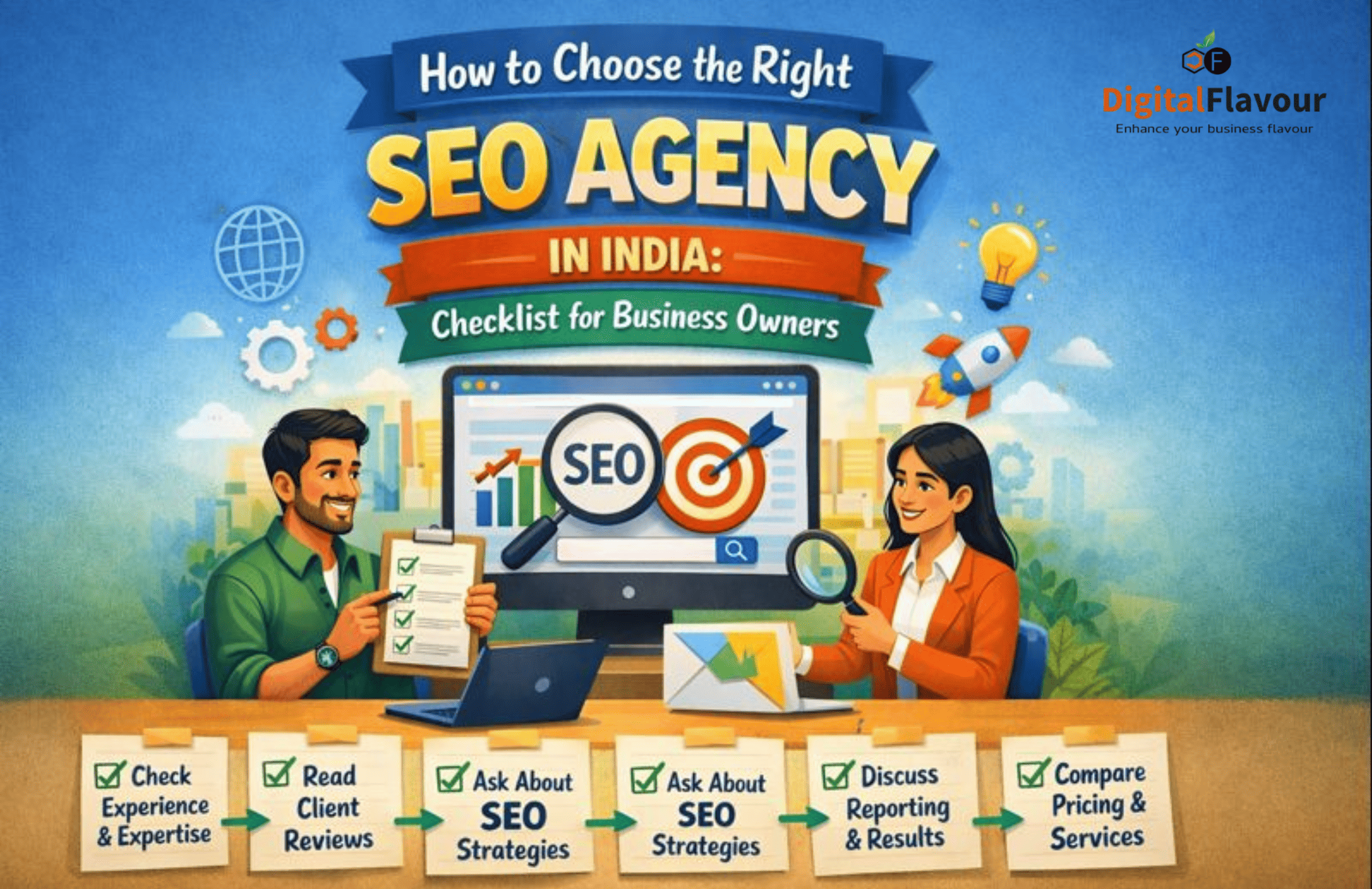
    Questions to Ask Potential Providers

    Before signing any agreement, ask:

    1. Service Specifics: What exactly is included in your pricing? What’s not included?
    2. Team Composition: Who will actually work on my account? What are their qualifications?
    3. Processes and Methods: What tools and processes do you use? Can I see your typical workflow?
    4. Measurement: How do you measure and report results? What metrics matter most?
    5. Case Studies: Can you provide case studies from similar businesses in my industry?
    6. Algorithm Changes: How do you handle Google algorithm updates?
    7. Communication: What’s your communication cadence and availability?
    8. AI Strategy: How do you optimize for AI Overviews and platforms like ChatGPT?

    Evaluating Proposals

    Compare proposals based on:

    Value Assessment:

    • Clarity of deliverables and expectations
    • Customization to your specific business and market
    • Transparency about methods and limitations
    • Experience relevant to your industry and goals
    • Balance of price and comprehensive services

    Remember: Companies that spend more than $500 per month on SEO are far more likely to be satisfied with the service. Don’t choose solely on price—consider the value delivered.

    Understanding Satisfaction Drivers

    65% of businesses have worked with multiple SEO providers to find a good fit, suggesting finding the right partner takes diligence. Look for providers who:

    • Communicate clearly and regularly
    • Set realistic expectations
    • Provide transparent reporting
    • Demonstrate industry expertise
    • Show proven results in your market segment

    Final Thoughts: Is SEO Worth the Cost?

    After a decade in this industry and building Digital Flavour from the ground up, I can confidently say that based on comprehensive industry data, SEO represents exceptional long-term value for businesses willing to invest appropriately and maintain realistic expectations.

    The Investment Case

    The numbers speak clearly:

    • SEO returns $22 for every $1 spent
    • Median ROI of 748% across industries
    • 14.6% conversion rate vs 1.7% for outbound marketing
    • Long-term compounding value that continues years after initial investment

    Success Requirements

    SEO success demands:

    • Adequate Budget: At least $1,500 monthly to see meaningful results
    • Patience: 9.6 months to break even on average, with peak results in years 2-3
    • Quality Partners: Working with skilled professionals or investing in proper education
    • Consistent Effort: SEO is an ongoing process. It never stops
    • Measurement Focus: Tracking metrics that matter to your business outcomes

    Market Momentum

    The industry momentum is undeniable. The global SEO services market reached $74.9 billion in 2026 and is expected to rise to $127.3 billion by 2030. Businesses across all sectors are investing because the returns justify the costs.

    91% of respondents stated that SEO positively impacted website performance and marketing goals, demonstrating consistent positive outcomes when executed properly.

    The Bottom Line

    Rather than asking if SEO is worth the investment, the more relevant question in my experience is: Can your business afford to ignore it? With organic search driving approximately 53% of website traffic globally and delivering superior conversion rates compared to every other channel, SEO isn’t just a good investment—it’s essential for sustainable digital growth.

    The businesses I’ve worked with that succeed with SEO view it as a long-term growth strategy, not a quick fix. They invest appropriately for their market, measure results carefully, and adjust based on data. When approached with realistic expectations and adequate resources, SEO consistently delivers exceptional ROI that compounds over time.


    Ready to invest in SEO for your business? At Digital Flavour, Best Digital Marketing Agency, I’ve built our approach around data-driven strategies designed to deliver measurable results. Our transparent pricing reflects our commitment to quality work that generates real ROI. I invite you to contact us today to discuss your goals, and I’ll personally ensure you get a customized quote based on your specific needs and market conditions.

  • 15 Search Engine Optimization Benefits That Transform Business Growth in 2026

    15 Search Engine Optimization Benefits That Transform Business Growth in 2026

    The digital landscape is evolving faster than ever before. With AI-powered search experiences reshaping how people find information and businesses competing for visibility in an increasingly crowded online marketplace, one question remains critical: Is SEO still worth the investment in 2026?

    The answer is a resounding yes—but with an important caveat. Search engine optimization has transformed from a simple keyword-stuffing exercise into a sophisticated, multi-dimensional strategy that drives sustainable business growth. Companies that embrace modern SEO aren’t just ranking higher; they’re experiencing tangible returns that transform their bottom line.

    In this comprehensive guide, Digital Flavour, Digital Marketing Agency will explore 15 search engine optimization benefits that are driving real business results in 2026. Whether you’re a startup founder, marketing director, or business owner, understanding these benefits will help you make informed decisions about your digital marketing investment.

    Why SEO Matters More Than Ever in 2026

    Before diving into the specific benefits, let’s address the elephant in the room: the rise of AI-powered search and zero-click results. While some predicted the death of SEO with the advent of ChatGPT and AI Overviews, the reality has been quite different.

    Traditional search isn’t dying—it’s evolving. Over 5 trillion searches still occur on Google annually, and organic search continues to drive the highest quality traffic to websites. The businesses winning in 2026 are those that have adapted their SEO strategies to account for both traditional search engines and emerging AI platforms.

    Now, let’s explore the concrete benefits that make SEO an indispensable part of your marketing strategy.

    1. Exceptional Return on Investment (ROI)

    When it comes to marketing channels, SEO stands in a league of its own. The numbers speak for themselves: SEO delivers an average ROI of 748% over a three-year period, with leading industries seeing even more impressive returns. Real estate companies have reported ROI as high as 1,389%, while financial services average 1,031%.

    What makes these numbers even more compelling is the compounding nature of SEO. Unlike paid advertising where traffic stops the moment you stop spending, SEO continues generating returns long after the initial investment. Your content keeps working for you, your domain authority continues growing, and your rankings become increasingly difficult for competitors to displace.

    The Business Impact: If you invest $10,000 in a comprehensive SEO campaign, historical data suggests you could see returns of $74,800 or more over three years. For real estate and financial services businesses, those returns could exceed $130,000.

    2. Superior Lead Quality and Conversion Rates

    Not all traffic is created equal, and this is where SEO truly shines. Organic leads convert at an impressive 14.6% close rate, compared to just 1.7% for traditional outbound marketing methods. That’s more than an eight-fold difference in conversion performance.

    Why such a dramatic difference? SEO attracts users who are actively searching for solutions to their problems. They have high purchase intent, they’re in research mode, and when they find your content, they’re already predisposed to engage with your business.

    The average conversion rate for SEO is 2.4%, but this varies significantly by industry. B2B SaaS businesses, in particular, see exceptional results because their longer sales cycles align perfectly with the educational, authority-building nature of SEO content.

    The Business Impact: For every 100 qualified leads generated through SEO, you can expect approximately 15 conversions. Compare that to outbound methods where you might need 600 leads to achieve the same number of conversions.

    3. Cost-Effectiveness Compared to Paid Advertising

    While SEO requires upfront investment, it becomes increasingly cost-effective over time. Research shows that SEO delivers an 8x return compared to PPC’s 4x return. Perhaps more striking, businesses lacking proper SEO can see their paid advertising costs increase by up to 400%.

    The mathematics are compelling. Paid advertising costs accumulate continuously—you’re essentially renting traffic. SEO, on the other hand, is more akin to owning traffic-generating assets. After the initial investment period, the incremental cost of maintaining rankings is significantly lower than acquiring the same traffic through paid channels.

    The Business Impact: A company spending $5,000 monthly on PPC could potentially reduce that investment to $1,250 while achieving similar traffic volume through SEO—a savings of $45,000 annually that can be reinvested in growth initiatives.

    4. Sustainable, Long-Term Traffic Growth

    One of the most underappreciated benefits of SEO is its sustainability. Content that ranks well today can continue driving traffic for years. Nearly 60% of pages ranking in Google’s top 10 are three or more years old, demonstrating the lasting power of quality SEO work.

    This creates a compound growth effect. Each piece of optimized content you publish adds to your traffic-generating assets. Over time, your website becomes a powerful engine that consistently attracts visitors without requiring continuous content creation at the same pace.

    Real-world examples abound. Companies implementing comprehensive SEO strategies have seen traffic growth of 300%, 500%, and even over 1,000% year-over-year as their content portfolio matures and their domain authority strengthens.

    The Business Impact: An article that takes 10 hours to create and optimize might generate 500 visitors monthly for the first year, but could still be driving 400+ visitors monthly three years later—delivering over 14,000 visits from a single piece of content.

    5. Enhanced Brand Credibility and Trust

    Ranking at the top of search results does more than drive traffic—it establishes your brand as an authority in your industry. Research indicates that 89% of consumers trust organic search results on the first page of Google, viewing top-ranking websites as more credible and trustworthy than those appearing lower or in paid positions.

    This trust translates directly into business value. When prospects find your content while researching solutions, they begin their relationship with your brand from a position of trust rather than skepticism. You’re not interrupting their day with an ad; you’re providing valuable information exactly when they need it.

    The effect compounds over time. As users repeatedly see your brand in search results across multiple queries, you achieve a frequency of exposure that builds recognition and reinforces authority—all without the continuous ad spend required for traditional brand awareness campaigns.

    The Business Impact: Trust reduces friction in the sales process. Companies with strong organic presence report shorter sales cycles and higher win rates because prospects arrive pre-educated and pre-disposed to trust their expertise.

    6. Competitive Advantage and Market Intelligence

    SEO provides a massive competitive advantage, particularly for businesses willing to invest when competitors remain skeptical. Currently, 61% of small businesses aren’t investing in SEO, but 46% plan to do so in 2026. This creates a window of opportunity for early movers to establish dominance before markets become saturated.

    Beyond the competitive positioning, SEO provides invaluable market intelligence. Through keyword research and search performance data, you gain direct insight into what your target audience cares about, what questions they’re asking, and what language they use. This intelligence informs not just your marketing, but product development, customer service, and strategic planning.

    The Business Impact: Companies leveraging SEO data for product development can identify unmet market needs before competitors, creating products that precisely match market demand. This insight alone can justify the entire SEO investment.

    7. Improved User Experience and Technical Performance

    Modern SEO and user experience are inextricably linked. Google’s ranking algorithms increasingly prioritize websites that load quickly, display properly on mobile devices, and provide intuitive navigation. This means that optimizing for search engines simultaneously improves the experience for your visitors.

    Page speed alone has dramatic impact on business outcomes. Users will abandon websites that take more than three seconds to load, and 40% of visitors leave sites with poor performance. Technical SEO improvements that enhance site speed, mobile responsiveness, and overall functionality directly impact conversion rates and customer satisfaction.

    The improvements extend beyond the technical. SEO best practices encourage clear information architecture, logical content organization, and intuitive navigation—all of which make your website easier and more pleasant to use.

    The Business Impact: Companies that improved Core Web Vitals and technical SEO metrics have reported conversion rate improvements of 20-50%, with the same traffic generating significantly more leads and revenue.

    8. Local Market Dominance and Foot Traffic

    For businesses with physical locations or serving specific geographic markets, local SEO offers transformative benefits. 72% of consumers who conduct local searches visit a business within five miles, and 28% of local searches result in a purchase.

    Local SEO puts your business in front of high-intent customers at the exact moment they’re ready to make a decision. When someone searches for “best restaurants near me” or “emergency plumber in [city],” they’re not casually browsing—they need a solution now, and whoever appears first typically wins their business.

    The statistics are compelling: people are 70% more likely to visit a business with a complete Google Business Profile, and businesses with four or more stars in reviews outrank lower-rated competitors by a median of 11 positions.

    The Business Impact: A local service business ranking in the top three positions for their primary service keywords in their market can expect 30-50% of their new customer acquisitions to come from organic search, dramatically reducing dependence on expensive advertising.

    9. Multi-Channel Visibility in the AI Era

    Search is no longer confined to traditional search engines. With AI Overviews appearing in nearly 20% of searches by late 2024, and platforms like ChatGPT, Perplexity, and Google AI Mode reshaping how people seek information, SEO now provides visibility across multiple platforms.

    The exciting news? Properly optimized content doesn’t just rank in traditional search—it gets cited in AI-generated answers, appears in voice search results, and surfaces in video platforms like YouTube. This multi-channel presence multiplies the value of each piece of content you create.

    Companies adapting their SEO strategies to account for AI search are seeing opportunities that didn’t exist before. Smaller websites now have chances to gain SERP placement through AI Overview citations, potentially reaching audiences they couldn’t access through traditional ranking alone.

    The Business Impact: A single well-optimized article might generate 1,000 visitors monthly from Google, but add another 300 from AI tool citations, 150 from YouTube, and 100 from voice search—nearly doubling total reach with no additional content creation.

    10. Measurable Results and Real-Time Optimization

    Unlike traditional marketing channels where attribution is challenging, SEO provides crystal-clear performance metrics. Through tools like Google Analytics and Search Console, you can track exactly how much organic traffic you receive, which keywords drive that traffic, how users behave on your site, and which content generates conversions.

    This transparency enables data-driven decision making. You can identify which content topics resonate most with your audience, which pages need improvement, and where to focus future efforts for maximum impact. The feedback loop is continuous, allowing constant refinement and optimization.

    The ability to measure results also makes it easier to prove ROI to stakeholders. When you can demonstrate that SEO generated X leads that converted into Y revenue at Z cost per acquisition, securing ongoing investment becomes straightforward.

    The Business Impact: Companies leveraging SEO analytics to guide strategy typically achieve 20-30% better results than those creating content without data backing, as they can double down on what works and eliminate what doesn’t.

    11. Customer Insights and Journey Mapping

    SEO research reveals not just what people search for, but why they search for it and what they need at each stage of their journey. This intelligence extends far beyond marketing, informing sales enablement, customer success, and product development.

    By analyzing search patterns, you can map the complete customer journey from initial awareness through consideration to decision. You discover the questions prospects ask early in their research, the comparisons they make during evaluation, and the specific concerns they need addressed before making a purchase decision.

    This understanding allows you to create content that meets people exactly where they are in their journey, building trust and guiding them toward conversion naturally rather than pushing them with aggressive sales tactics.

    The Business Impact: Companies that align their content strategy with customer journey insights see conversion rate improvements of 30-100% because they’re answering the right questions at the right time.

    12. Scalability Without Proportional Cost Increases

    One of SEO’s most powerful characteristics is its scalability. Once you’ve established strong foundations—technical optimization, quality link profile, content creation processes—expanding into new keyword territories or geographic markets requires substantially less investment than the initial effort.

    This creates exponential growth potential. Your first 100 ranking keywords might require six months of effort, but the next 100 might take just three months because you’re building on existing authority and momentum. Content creation becomes more efficient as you develop templates, understand what resonates, and build topical authority.

    The mathematics work in your favor. Your cost per acquisition through SEO typically decreases over time as traffic increases while incremental costs remain relatively stable.

    The Business Impact: A company might invest $5,000 monthly for the first year to establish SEO foundations, then maintain similar results in year two with just $3,000 monthly investment—a 40% reduction in cost while maintaining or increasing traffic and leads.

    13. Protection Against Market Volatility

    Businesses heavily dependent on paid advertising face constant vulnerability to market changes. Ad costs can double overnight based on competition, platform algorithm changes, or economic conditions. SEO provides insulation against this volatility.

    While SEO requires patience to build, once established it becomes remarkably stable. Your organic rankings don’t disappear because a competitor increased their ad spend or because platform costs increased. This stability provides predictable lead flow that enables better business planning and reduces risk.

    Additionally, having strong organic presence gives you negotiating leverage with other channels. If paid advertising costs spike, you can reduce spend without completely losing visibility because your organic traffic continues.

    The Business Impact: During economic downturns when advertising budgets face pressure, companies with strong SEO positions maintain lead flow while competitors relying solely on paid channels see dramatic declines.

    14. Mobile and Voice Search Optimization

    With 92.3% of users accessing the internet through mobile phones, and 58% of Americans using voice search on mobile devices daily, optimizing for these formats is no longer optional. SEO naturally encompasses mobile optimization, ensuring your business appears when and how modern consumers search.

    Voice search, in particular, represents a massive opportunity. The number of voice assistant users is expected to reach 157 million in 2026, and 51% of people use voice search specifically to find restaurants and local businesses. Voice queries tend to be longer and more conversational, creating opportunities to rank for high-intent local searches.

    The mobile-first indexing approach used by Google means that your mobile site experience directly determines your rankings. Companies investing in mobile-optimized, voice-search-friendly SEO position themselves to capture growing segments of search behavior.

    The Business Impact: Businesses optimizing specifically for voice search have reported 20-40% increases in local leads as they capture voice queries that competitors miss.

    15. Competitive Intelligence and Industry Leadership

    Finally, comprehensive SEO provides competitive intelligence that extends far beyond rankings. By analyzing what content ranks for competitors, what keywords they target, and how they structure their digital presence, you gain strategic insights that inform business decisions.

    This intelligence reveals market gaps—topics where demand exists but competition is weak, allowing you to establish authority in underserved niches. It shows you what messaging resonates with your audience and what doesn’t, all by analyzing the market rather than expensive trial and error.

    Moreover, consistent visibility in organic search establishes thought leadership. When your company consistently appears in top positions for industry terms, you’re not just generating traffic—you’re positioning your brand as the authority in your space.

    The Business Impact: Companies leveraging competitive SEO intelligence can enter new markets with 30-50% less risk because they have data showing exactly what content and positioning will resonate before investing heavily in production.

    Making SEO Work for Your Business in 2026

    Understanding the benefits of SEO is just the beginning. The real question is: how do you capture these benefits for your business?

    The path forward requires three critical elements:

    1. Strategic Planning: Random content creation won’t deliver results. You need a comprehensive strategy based on thorough keyword research, competitive analysis, and clear understanding of your customer journey. This means identifying the exact queries your target audience uses at each stage of their decision process and creating content that addresses their needs.

    2. Technical Excellence: Modern SEO demands technical proficiency. Your website must load quickly, display properly on all devices, have clean code, proper schema markup, and solid information architecture. Technical issues can completely undermine even the best content strategy.

    3. Quality Content at Scale: Winning in SEO requires consistent production of high-quality content that genuinely serves your audience. This means investing in skilled writers who understand your industry, proper content optimization, and a sustainable publication schedule that builds authority over time.

    The timeline matters too. While some SEO tactics can show results in 3-6 months, achieving maximum ROI typically takes 12-18 months. The companies seeing 700%+ returns are those that maintained consistent effort over multiple years, allowing compound growth to work its magic.

    The Bottom Line: Can You Afford NOT to Invest in SEO?

    With average ROI of 748%, conversion rates nearly 9x higher than outbound marketing, and cost-effectiveness that improves over time, SEO represents one of the most powerful growth channels available to modern businesses.

    The question isn’t whether SEO delivers value—the data proves it does. The real question is whether your business can afford to cede organic visibility to competitors while they build authority, capture market share, and establish the trust that converts prospects into customers.

    The businesses winning in 2026 are those that recognized SEO not as a marketing tactic, but as a strategic investment in sustainable competitive advantage. They understand that while paid advertising rents attention, SEO builds owned assets that generate returns for years to come.

    Ready to Transform Your Business with SEO?

    At Digital Flavour, we’ve helped dozens of businesses across industries achieve the search engine optimization benefits outlined in this guide. Our comprehensive SEO services combine strategic planning, technical excellence, and quality content creation to deliver measurable results that transform bottom lines.

    We don’t offer one-size-fits-all packages or make unrealistic promises about overnight success. Instead, we develop customized strategies based on your specific business goals, competitive landscape, and market opportunity. Then we execute with precision, tracking results at every step and optimizing based on data.

    Whether you’re just beginning your SEO journey or looking to take an existing program to the next level, we’d love to explore how we can help.

    Schedule a free SEO strategy consultation today and discover:

    • Your biggest SEO opportunities based on competitive analysis
    • A custom roadmap for achieving top rankings in your market
    • Realistic timelines and ROI projections for your industry
    • How SEO fits into your broader marketing strategy

    The businesses dominating search in 2026 made their investment in 2025. Don’t let another year pass watching competitors capture the leads and revenue that should be yours.

    Contact Digital Flavour now to claim your competitive advantage in search.


    About the Author: Ragini Neema, Founder of Digital Flavour, a results-driven digital marketing agency specializing in comprehensive SEO services that deliver measurable business growth. With over a decade of experience helping businesses achieve and maintain top search rankings, we combine technical expertise, strategic thinking, and quality execution to transform your organic visibility into sustainable revenue.

  • Benefits of Digital Marketing for Small Businesses

    Benefits of Digital Marketing for Small Businesses

    In today’s fast-adapting digital world, small businesses are discovering an undeniable power for promoting their businesses through digital marketing. There is a time when one could promote his or her business with various advertisements on TV, radio, and print media. Internet-based opportunities for customer engagement are much more cost-effective as well as targeted, and thus this tool becomes important to have in modern businesses, particularly small ones.

    In this blog, Digital Flavour, Top Digital Marketing Agency has covered detailed benefits of digital marketing for small business and why every small business should embrace this powerful tool for growth.

    What is Digital Marketing for Small Businesses?

    If we talk about the definition of Digital marketing, then we can share that it refers to the use of online channels such as search engines ( Google, bing, Yahoo ), social media ( Facebook, Instagram), email, and websites for marketing and promoting your business products or services to your targeted customers. It is not traditional marketing because small businesses can reach out to their targeted customers wherever they are: looking for something on Google or watching a video on YouTube on a smartphone.

    Marketing in such a manner is no passing fad, but an absolute necessity for any business to thrive in an increasingly digital-first economy. Whether you are a small local coffee shop, a boutique, or a startup looking to grow, digital marketing can help your business in ways that you will find real.

    Top 10 Benefits of Digital Marketing for Small Businesses

    1. Cost-Effectiveness

    One of the benefits offered by digital marketing is that it’s inexpensive in comparison to other marketing methods. Generally, small businesses and startups work under limited resources and have a tight budget, and they can easily implement high-targeted digital campaigns without having to pay an enormous amount to reach their customers in contrast to some of the more old-fashioned media out there like TV and radio.

    For example, pay-per-click advertising on Google Ads and Facebook means that one can only be charged for the ad when it is clicked. It is therefore flexible and allows small businesses to maintain full control over how much they might spend on the investment and ensure that they gain a return on their investment. There is also software such as Google Analytics where one can monitor the amount they spend and what the outcome is in the sense of what they get.

    USA-specific tip: Small businesses can utilize free advertising on their own location listings in Google’s own My Business. This is great for companies looking to better occupy the top spot on their local search results.

    2. Targeted Audience Reach

    With traditional marketing, the small businesses would only have their ads broadcasted out to no particular target audience, unlike the case with digital marketing where the reach is precise to the desired audience. With digital marketing, you can tailor your campaigns to basically hit a certain demographic, that is, location-based, age-based, based on interest, gender, and even behaviour-based targeting.

    For example, if you own a small bakery in New York City, you can run an ad campaign for Facebook in order to reach out to the people of your locale who are looking forward to desserts and bakery products. That’s when your budget will be well spent by reaching out to people who have a fair chance of converting into customers.

    The level of precision would mean the world to small businesses to make the most out of every dollar that’s being spent on marketing.

    3. Measurable Results

    It is very hard to measure whether your campaign was a success in traditional marketing. But who knows the number of people who noticed your billboard, or heard your radio ad? With digital marketing, you get the chance to view results in real-time and, on the basis of the data, make decisions.

    Using analytics from websites like Google Analytics, Facebook Insights, or even your email marketing dashboards, you get to see pretty crucial metrics on who’s visiting your website, what kind of bounce rate you have, the click-through rate (CTR), and conversion rates. So, you know what is working and what is not.

    That means that virtually every marketing effort can be optimised better to produce more conversions and higher returns on investment for small businesses.

    4. Improved Customer Engagement

    Engagement is actually one of the most vital objectives of any digital marketing campaign, and small businesses can help cultivate relationships by engaging with their audience, thanks to social media and email marketing. This directly connects small businesses to their customers through answering questions, sending out updates about the products, or maybe sharing a little bit of behind-the-scenes content.

    This will help in building customer trust and loyalty for a small business. For example, posting updates about a new product on Instagram or using Facebook Messenger to address queries from customers promptly can go along with making huge differences.

    Engagement also provides businesses with direct insight on what their customers want so that they can refine their products or services depending on the wants of these customers.

    5. Leveling the Playing Field

    This evened out the playing field between small and larger businesses. Earlier, small businesses stood a sorry figure in comparison to huge businesses because of the amount of finances involved in using traditional marketing methods like print and television commercials. Presently, even the smallest business can be a strong competitor to the titans of industries, if they adopt digital marketing.

    Small businesses can develop niches for themselves and thereby lay a foundation for loyal consumer bases and effectively compete in the market with approaches such as content marketing, SEO, and social media marketing.

    For example, a small coffee shop in Seattle can leverage SEO to ensure that their website appears on top when a person types “best coffee in Seattle.”.

    6. Increased Conversion Rates

    The final end of any marketing campaign is conversion, and digital marketing gives the small business much more latitude to convert leads to customers. With email marketing and remarketing ads and personalized landing pages, businesses can start customized experiences that amount to better conversion.

    Whereas the small business has the ability to track and optimize each step of the sales funnel and thus constantly improve its marketing efforts towards bringing better results.

    Example : An e-commerce website can use remarketing email campaigns targeting those who didn’t complete the purchase process after they placed their items in the shopping cart and hence increase sales and ROI.

    7. Enhanced Brand Awareness

    Branding awareness is of paramount importance for small businesses, and digital marketing works really well in this area. Hence, with channels such as social media, content marketing, and influencer engagements, small businesses will be able to do further expansion in terms of visibility.

    Posting high-quality content constantly on social media sites, such as Instagram, Facebook, and LinkedIn, keeps your brand at the forefront of your target audience’s minds. You can even create a community around your brand by posting valuable content, running contests, or collaborating with influencers.

    8. Mobile Accessibility

    With the spread of mobile phones, small businesses can no longer afford to ignore mobile marketing. People are spending more time on mobile devices than ever, and mobile marketing allows firms to reach customers at any time and in any location.

    A small business can reach its customers on the move through mobile-friendly websites, mobile applications, or short message service marketing.

    Fun fact: More than 90% of American adults own a smartphone. This is just one example of why mobile optimization should be an essential feature of your digital marketing strategies.

    9. Flexibility and Scalability

    Digital marketing campaigns are flexible, by which small businesses can adapt to any changes they feel happen at the speed they do. You could change an advertisement or even content if it isn’t working for you; this certainly helps in the high dynamism of a fast-moving world where trends and consumer behavior change at such a fast pace.

    You can scale up digital marketing with the growth of your business. You can scale up campaigns to reach more people, or you can step into new markets.

    10. Competitive Insights

    Digital marketing has the possibility of keeping track of competitors and getting ahead of the curve for small businesses. With tools like SEMrush, Ahrefs, and SpyFu, you can track your competitor’s strategies, keywords, and even their ads.

    Analyzing competitors’ data will be a learning tool for small businesses as it will help you understand what’s working in their industry, then how to implement similar strategies in their marketing campaigns.

    Challenges Small Businesses Face with Digital Marketing

    Digital marketing is literally a goldmine of phenomenal benefits for small businesses, but the constraints of budget and lack of expertise hold them from further exploring this source of business opportunity. Moreover, the algorithms keep changing, so keeping up with this diversity of effort entails tracking lots of changes. All of it can be overcome by a reputable digital marketing agency or learning and using affordable digital tools tailored for small businesses.

    Conclusion

    In the future, small businesses will not have a choice but to be in digital marketing; it will be an imperative. Small businesses can find better scope for increasing visibility, improving a customer engagement rate, and developing more conversions through methodologies like cheap costs by use of SEO, social media, or email marketing. Small businesses in the competitive US market will have a better scope of survival and competitiveness with larger corporations if they embrace digital marketing.

    We provide customized digital marketing strategy for small business owners with a view to growing their business, gaining maximum returns on investment, and a close relationship with customers.

    FAQs:

    Q1. What is the most cost-effective digital marketing strategy for small businesses?

    • SEO and social media marketing are two of the most cost-effective strategies for small businesses.

    Q2. How can digital marketing help my local business in the USA?

    • Digital marketing helps you reach local customers through targeted ads, SEO, and social media engagement.


    Q3. Is digital marketing worth the investment for a small business?

    • Yes, digital marketing provides measurable results, high ROI, and helps small businesses compete with larger brands.


    Q4. How long does it take to see results from digital marketing?

    • While some strategies like PPC can show immediate results, SEO and content marketing typically take several months to yield noticeable outcomes.
  • AEO vs SEO: Navigating the Future of Search Optimization in India

    Imagine searching for the best smartphone under ₹20,000 and receiving an immediate, precise answer without scrolling through multiple links. This is the power of Answer Engine Optimization (AEO). As search behavior evolves, particularly in a mobile-first, voice-driven world like India, businesses must adapt. While Search Engine Optimization (SEO) has been the cornerstone of digital marketing, AEO is redefining how users interact with search engines.

    In this blog, Digital Flavour, Top Digital Marketing Agency in Indore will dive into the core differences between AEO and SEO, why Indian businesses should care, and how to leverage both strategies for maximum visibility.

    What is Answer Engine Optimization (AEO)?

    AEO focuses on optimizing content to provide direct, concise answers that meet user intent immediately. It’s designed for voice searches, featured snippets, and answer boxes that appear at the top of search engine results pages (SERPs). With the rise of voice assistants like Alexa and Google Assistant, AEO has become crucial for businesses aiming to dominate search queries.

    For example, when users ask, “What is AEO?” the goal of AEO is to ensure your content provides the exact answer, ideally as a featured snippet.

    SEO: The Traditional Pillar of Digital Visibility

    SEO, on the other hand, is the foundation of online discoverability. It involves optimizing your website’s content, structure, and backlinks to improve rankings across SERPs. Traditional SEO focuses on broad keywords, comprehensive content, and user experience, aiming to drive traffic through high-ranking pages.

    While AEO is tailored for quick answers, SEO ensures your site ranks well for various searches, providing detailed information and value.

    Want to know What does a digital marketing do? Check detailed blog post

    Key Differences Between AEO and SEO

    Let’s break down the major distinctions:

    1. Content Structure:
      • SEO emphasizes long-form, in-depth content that targets multiple keywords.
      • AEO focuses on concise, question-and-answer formats optimized for snippets.
    2. Target Audience:
      • SEO caters to users browsing through search results.
      • AEO prioritizes users seeking instant answers, often via voice search.
    3. Optimization Techniques:
      • SEO relies heavily on keyword density, backlinks, and meta tags.
      • AEO uses structured data (schema markup) to help search engines identify relevant answers.
    4. Success Metrics:
      • SEO tracks page rankings, traffic, and dwell time.
      • AEO success is measured by snippet visibility and voice search accuracy.

    Why Indian Businesses Need to Embrace AEO

    India’s digital landscape is evolving rapidly. With over 50% of searches being voice-based and mobile usage dominating, businesses must optimize for these trends. Featured snippets, the hallmark of AEO, often grab more than 30% of clicks, even outranking #1 organic search results​

    Industries like e-commerce, education, and healthcare benefit immensely as users frequently search for quick answers in these domains.

    Combining AEO and SEO: The Hybrid Strategy

    Rather than choosing one over the other, businesses should integrate AEO and SEO for a holistic strategy. Here’s how:

    1. Keyword Research:
      Combine long-tail keywords for SEO with question-based queries for AEO.
    2. Content Creation:
      Write detailed blogs and pages for SEO, but structure them to include FAQ sections optimized for snippets.
    3. Schema Markup:
      Use structured data to help search engines better understand and categorize your content.
    4. Mobile and Voice Optimization:
      Ensure your website is mobile-friendly and loads quickly to enhance both SEO and AEO performance.

    Future of Search: What’s Next for AEO and SEO in India?

    As AI and machine learning continue to improve, search engines are becoming smarter. Google’s focus on user intent and contextual understanding will make AEO even more critical. For Indian businesses, staying ahead means adopting a dynamic approach that evolves with search technologies.

    By embracing both AEO and SEO, you’re not just optimizing for search engines—you’re preparing your brand for the future of search.

    Looking for a result oriented digital marketing services? consult us now!

    Conclusion

    In the digital race for visibility, both AEO and SEO have their unique strengths. Indian businesses must adapt to this evolving landscape by leveraging a hybrid strategy. Whether your audience is searching via desktop, mobile, or voice assistant, optimizing for both AEO and SEO ensures you stay visible and relevant.