The digital marketing landscape has transformed dramatically over the past two years. With AI-powered search experiences, the deprecation of third-party cookies, and increasingly sophisticated buyer journeys, the strategies that worked in 2024 are no longer sufficient for generating high-quality leads in 2026.
As someone who has guided Digital Flavour through serving clients across India, UAE, USA, and other competitive markets, I’ve witnessed firsthand how lead generation tactics must evolve. The businesses thriving today aren’t just generating more leads—they’re generating better ones.
The harsh reality? A hundred mediocre leads won’t move your revenue needle as effectively as ten highly-qualified prospects who are ready to buy. This comprehensive guide by Digital Flavour, Best Digital Marketing Agency will walk you through the exact strategies we’re implementing in 2026 to help our clients attract leads that actually convert into customers.
What You’ll Learn:
- How the 2026 lead generation landscape differs from previous years
- The infrastructure you need before launching any lead generation campaigns
- Eight proven strategies generating measurable ROI across multiple markets
- Market-specific tactics for India, UAE, and USA
- How to measure what actually matters (beyond vanity metrics)
- Common pitfalls that waste your marketing budget
Let’s dive in.
Understanding the 2026 Lead Generation Landscape
Before we discuss tactics, you need to understand the playing field has fundamentally changed.
The Major Shifts Since 2024
AI-Powered Buyer Journeys
Google’s Search Generative Experience (SGE) and AI-powered search tools have revolutionized how potential customers discover and evaluate solutions. Buyers now receive synthesized answers from multiple sources before ever clicking through to a website. This means your content must be comprehensive enough to rank in AI overviews while compelling enough to drive click-throughs.
At Digital Flavour, we’ve observed that traditional keyword targeting alone no longer suffices. The queries we optimize for now include conversational, question-based searches that align with how people naturally speak to AI assistants.
The Cookie-Less Reality
Third-party cookie deprecation is complete across major browsers. Privacy-first marketing is no longer a choice—it’s mandatory. This shift has forced marketers to become more creative with first-party data collection and contextual targeting.
The businesses winning in 2026 have invested in building owned audiences through email lists, communities, and compelling lead magnets that people willingly exchange their information for.
Zero-Click Search Dominance
More searches than ever are being answered without users clicking any results. Featured snippets, knowledge panels, and AI-generated overviews provide immediate answers. While this might seem detrimental to website traffic, it creates new opportunities for brand visibility and authority-building.
The key is positioning your brand as the authoritative source that AI tools pull from and cite.
Multi-Platform Discovery
Today’s B2B buyers don’t just use Google. They’re researching on LinkedIn, asking questions in Reddit communities, watching educational content on YouTube, and seeking peer recommendations in specialized forums. A single-channel approach to lead generation is a recipe for leaving opportunities on the table.
What Defines a High-Quality Lead in 2026?
Not all leads are created equal. Here’s how we assess lead quality at Digital Flavour:
Behavioral Intent Signals
High-quality leads demonstrate clear intent through their actions: downloading specific resources, viewing pricing pages multiple times, attending webinars, or engaging with detailed case studies. We’ve moved beyond simple form fills to tracking entire behavioral patterns.
Proper Qualification
A quality lead fits your ideal customer profile. They have:
- The budget to afford your solution
- The authority to make or influence purchasing decisions
- A genuine need for what you offer
- A realistic timeline for implementation
Engagement Quality
Are they asking thoughtful questions? Engaging with your content repeatedly? Referring others from their organization? These signals indicate serious interest rather than casual browsing.
Market-Specific Nuances
In our UAE markets, relationship-building and trust signals carry more weight. In the USA, efficiency and clear ROI documentation matter most. In India, value for money and scalability are primary concerns. Effective lead generation acknowledges these regional differences.
Foundation: Your Lead Generation Infrastructure
Before implementing any tactics, ensure your foundation is solid. I’ve seen countless businesses waste advertising budgets driving traffic to websites that can’t convert.
1. Website Conversion Optimization
Your website is your 24/7 salesperson. It must perform flawlessly.
Core Web Vitals and Page Speed
Google’s ranking algorithm heavily weighs page experience. If your site loads slowly, potential leads will bounce before seeing your offer. Aim for:
- Largest Contentful Paint (LCP) under 2.5 seconds
- First Input Delay (FID) under 100 milliseconds
- Cumulative Layout Shift (CLS) under 0.1
Use tools like Google PageSpeed Insights and GTmetrix to identify bottlenecks. Compress images, leverage browser caching, and consider a Content Delivery Network (CDN) for faster global load times—especially critical when serving multiple geographic markets.
Mobile-First, AI-Chat-Ready Design
Over 60% of B2B searches now happen on mobile devices. Your site must deliver an exceptional mobile experience with:
- Tap-friendly buttons and navigation
- Readable text without zooming
- Fast-loading mobile pages
- AI chatbot integration for instant visitor engagement
Modern buyers expect immediate answers. Implementing an AI-powered chatbot that can qualify leads 24/7 has become table stakes in 2026.
Strategic CTA Placement
Every page should have a clear call-to-action (CTA) that guides visitors toward conversion. Best practices include:
- Above-the-fold CTAs on high-traffic pages
- Exit-intent popups offering valuable content
- Sticky CTAs that remain visible while scrolling
- Multiple CTAs throughout long-form content
A/B test your CTA copy, colors, and placement. Small changes can yield significant improvements in conversion rates.
Trust Signals
In 2026’s skeptical digital environment, trust signals are non-negotiable:
- Client logos from recognizable companies
- Detailed case studies with measurable results
- Industry certifications and awards
- Video testimonials from satisfied customers
- Security badges and compliance certifications
- Real-time social proof (recent sign-ups, active users)
For Digital Flavour’s multi-market presence, we display region-specific client logos and testimonials to build local credibility.
2. Lead Magnet Strategy
Generic PDFs no longer cut it. Your lead magnets must provide genuine value.
What Works in 2026
Interactive Tools and Calculators
ROI calculators, assessment tools, and interactive diagnostic quizzes generate the highest-quality leads. They require meaningful engagement and provide personalized value, making visitors more willing to share contact information.
Examples:
- Marketing budget calculator
- Website audit tool
- Lead generation readiness assessment
- Industry benchmark comparison tool
AI-Powered Personalized Assessments
Tools that analyze a user’s specific situation and deliver customized recommendations see exceptional conversion rates. These demonstrate expertise while capturing detailed lead data.
Exclusive Research and Data
Original research, industry reports, and proprietary data offer value that can’t be found elsewhere. Annual industry surveys and trend reports position your brand as a thought leader.
Expert-Led Webinars and Workshops
Live webinars with Q&A sessions generate highly-engaged leads. The interactive nature allows relationship-building before the sales conversation begins.
Gated vs. Ungated Content Decision Framework
Not everything should require form submission. Gate content based on:
Gate when:
- Content took significant time/resources to create
- Information provides substantial competitive advantage
- Content targets bottom-of-funnel prospects close to purchase decisions
- You offer highly specialized, proprietary insights
Leave ungated when:
- Building brand awareness is the primary goal
- Content benefits from wide distribution and social sharing
- You’re targeting top-of-funnel prospects still learning
- SEO traffic and visibility matter more than lead capture
3. CRM and Marketing Automation Setup
Manual lead management doesn’t scale. Invest in the right technology stack.
Essential Tech Stack for 2026
Your marketing technology should include:
- CRM Platform: HubSpot, Salesforce, or Zoho for centralized lead management
- Marketing Automation: Automated email sequences, behavioral triggers, lead nurturing workflows
- Analytics: Google Analytics 4, Mixpanel, or Amplitude for behavioral tracking
- Lead Enrichment: Clearbit, ZoomInfo, or similar tools to enhance lead data
- Chat Tools: Drift, Intercom, or Qualified for real-time engagement
- Attribution Software: Tools that track multi-touch attribution across channels
Lead Scoring Models That Actually Work
Not all leads deserve immediate sales outreach. Implement scoring based on:
Demographic Scoring:
- Company size aligns with ICP
- Industry fit
- Job title indicates decision-making authority
- Geographic location
Behavioral Scoring:
- Pages viewed (especially pricing, case studies)
- Time spent on site
- Content downloaded
- Email engagement (opens, clicks)
- Webinar attendance
- Form submissions
At Digital Flavour, we assign point values to each action. Once a lead crosses a threshold (typically 70-100 points), they’re routed to sales as “hot leads” requiring immediate follow-up.
Integration with AI Tools
Modern lead generation leverages AI for:
- Predictive lead scoring
- Automated lead enrichment
- Personalized content recommendations
- Chatbot conversations that pre-qualify visitors
- Intelligent routing to the right sales representative
8 Proven Strategies to Generate High-Quality Leads in 2026
Now let’s explore the tactics driving real results across our client portfolio.
Strategy 1: AI-Powered SEO and Search Intent Optimization
Search engine optimization remains a cornerstone of lead generation, but the approach has evolved significantly.
How SGE Changes Keyword Strategy
Google’s Search Generative Experience synthesizes information from multiple sources before presenting traditional search results. To appear in SGE overviews:
- Create comprehensive, authoritative content that answers complete questions
- Structure content with clear headings and semantic HTML
- Include data, statistics, and expert insights AI can cite
- Update content regularly to maintain freshness signals
Creating Content That Ranks AND Converts
Ranking is meaningless without conversions. Every piece of content should:
- Address specific pain points your ideal customers face
- Include strategic CTAs at natural transition points
- Feature internal links to conversion-focused pages
- Demonstrate expertise that builds trust
Featured Snippet and AI Overview Optimization
To capture position zero and AI overviews:
- Use question-based headings (H2, H3) that match search queries
- Provide concise, direct answers in the first paragraph
- Format content with bulleted lists, numbered steps, and tables
- Include schema markup for enhanced visibility
Regional SEO Considerations
For agencies like Digital Flavour serving multiple markets:
India:
- Optimize for vernacular language searches gaining traction
- Target long-tail keywords with lower competition
- Focus on value-oriented messaging in content
- Build citations in Indian business directories
UAE:
- Create Arabic versions of key landing pages
- Optimize for location-specific searches in Dubai, Abu Dhabi, Sharjah
- Target expatriate audiences with English content
- Build authority through .ae domains when appropriate
USA:
- Compete for high-volume commercial keywords
- Invest in comprehensive pillar content strategies
- Target decision-makers with ROI-focused messaging
- Build backlinks from authoritative American publications
Quick Win: Identify 10 question-based queries your ideal customers search for. Create comprehensive answers (1,500+ words) optimized for featured snippets with clear headings, definitions, and practical examples.
Strategy 2: Strategic LinkedIn Lead Generation
LinkedIn has cemented its position as the premier B2B lead generation platform in 2026.
Why LinkedIn Dominates B2B in 2026
With over 950 million professionals, LinkedIn offers unmatched targeting capabilities. Decision-makers actively use the platform for professional development, making it ideal for reaching buyers during their research phase.
Profile Optimization for Founder Visibility
Your personal LinkedIn profile is a powerful lead generation asset. Optimize by:
- Writing a headline focused on the problems you solve, not just your title
- Crafting an “About” section that speaks directly to your ideal client’s pain points
- Showcasing results-driven case studies in your featured section
- Including clear contact information and CTAs
- Maintaining an active posting schedule (3-5x per week minimum)
For me personally, transforming my LinkedIn presence from a static resume to an active thought leadership platform has generated 30% of Digital Flavour’s inbound leads.
Content Formats That Drive Inbound Leads
Carousel Posts
Multi-slide PDFs or images perform exceptionally well:
- “7 Marketing Mistakes Costing You Leads”
- “Before & After: Website Conversion Optimization”
- “The Complete Guide to [Industry-Specific Topic]”
Thought Leadership Posts
Share contrarian perspectives, lessons learned, and industry insights:
- Analyze recent industry news with your expert take
- Share behind-the-scenes of your business
- Post success stories and case studies
- Debate trending topics in your space
Polls and Interactive Content
Polls boost engagement and provide market research:
- “What’s your biggest lead generation challenge?”
- “Which content format do you prefer?”
- “How much of your revenue comes from inbound vs. outbound?”
LinkedIn Ads Targeting Strategies
LinkedIn’s targeting capabilities justify the premium cost when done correctly:
Targeting Options:
- Job titles, functions, and seniority levels
- Company size and industry
- Skills and interests
- LinkedIn groups membership
- Matched audiences (upload email lists)
Best-Performing Ad Formats:
- Sponsored Content: Native ads in feed, ideal for content promotion
- Message Ads: Direct messages to prospects (use sparingly)
- Lead Gen Forms: Pre-filled forms reduce friction
- Thought Leader Ads: Amplify personal posts from executives
Quick Win: Implement the “comment engagement” strategy—spend 15 minutes daily commenting thoughtfully on posts from your ideal customers and industry influencers. Focus on adding genuine value, not self-promotion. This builds visibility and relationships that lead to inbound inquiries.
Strategy 3: Account-Based Marketing (ABM) 2.0
For high-value B2B sales, ABM delivers superior results compared to broad lead generation tactics.
Identifying and Targeting High-Value Accounts
Create a tier-1 target account list based on:
- Revenue potential (3-year customer lifetime value)
- Strategic fit with your services
- Likelihood of success (industry, company size, tech stack)
- Existing relationships or warm introductions available
Aim for 20-50 tier-1 accounts deserving concentrated resources.
Multi-Channel ABM Orchestration
Engage target accounts across multiple touchpoints:
LinkedIn:
- Connect with multiple stakeholders
- Engage with their content regularly
- Share relevant content they’d find valuable
- Send personalized connection requests and messages
Email:
- Personalized outreach sequences
- Triggered emails based on website behavior
- Account-specific newsletters
Display Advertising:
- Retarget website visitors from target accounts
- Serve display ads to IP addresses of target companies
- Use LinkedIn ads to reach specific companies
Direct Mail:
- Send personalized packages to key decision-makers
- Include relevant case studies and ROI data
- Follow up with coordinated digital touchpoints
Personalization at Scale Using AI Tools
AI makes ABM scalable:
- Auto-generate personalized email copy
- Create custom landing pages for each account
- Develop account-specific content recommendations
- Analyze engagement patterns to optimize outreach timing
Quick Win: Create a top 50 target account list. Research each company’s recent news, challenges, and initiatives. Craft personalized outreach messages referencing specific pain points they’re likely experiencing. This approach generates 10x higher response rates than generic templates.
Strategy 4: Conversion Rate Optimization (CRO)
Doubling your conversion rate has the same impact as doubling your traffic—but it’s often easier and more cost-effective.
Heat Mapping and User Behavior Analysis
Tools like Hotjar, Crazy Egg, and Microsoft Clarity reveal:
- Where visitors click (and where they expect to click but can’t)
- How far they scroll before leaving
- Which page elements attract attention
- Where visitors get confused or frustrated
Use this data to identify and eliminate conversion barriers.
A/B Testing Frameworks That Generate Learnings
Effective A/B testing follows a structured approach:
- Hypothesize: Based on data, predict what change will improve conversions and why
- Prioritize: Use the ICE framework (Impact × Confidence × Ease) to rank tests
- Test One Variable: Change one element at a time for clear attribution
- Gather Statistical Significance: Run tests until you have adequate sample size
- Implement Winners: Apply learnings site-wide
- Document: Build a knowledge base of what works
Elements Worth Testing:
- Headline variations
- CTA button color, size, and copy
- Form length and field order
- Social proof placement and format
- Page layout and visual hierarchy
- Pricing display methods
Form Optimization
Every additional form field reduces conversion rates. Optimize by:
- Asking only for essential information initially
- Using progressive profiling (gather more data over time)
- Implementing conversational forms that feel like chat
- Making optional fields clearly marked
- Providing context for why you need each piece of information
- Enabling social login options (Google, LinkedIn)
Landing Page Psychology Principles
High-converting landing pages leverage:
Clarity Over Creativity: Visitors should understand your offer within 3 seconds Single Focus: One goal per page, eliminate distractions Social Proof: Testimonials, logos, statistics that build credibility Urgency: Limited-time offers or scarcity triggers (use ethically) Visual Hierarchy: Guide eyes to the most important elements Benefit-Focused Copy: Emphasize outcomes, not features
Quick Win: Implement exit-intent popups with value-driven offers. When visitors move to close the tab, present a compelling lead magnet. This simple addition can recover 10-15% of abandoning visitors as leads.
Strategy 5: Strategic Content Marketing & Thought Leadership
Content marketing remains powerful when executed strategically rather than simply publishing blog posts.
Moving From Blog Posts to Content Experiences
In 2026, static blog posts compete with interactive content:
Interactive Formats:
- Calculators and assessment tools
- Interactive infographics
- Quizzes with personalized results
- Comparison tools
- Configuration builders
These formats generate 2-3x more leads than traditional articles while providing genuine value.
Video Content for Lead Generation
Video dominates content consumption:
YouTube Strategies:
- Educational tutorials addressing common problems
- Product demonstrations and walkthroughs
- Client success stories and testimonials
- Industry trend analysis and predictions
- SEO-optimized titles and descriptions for discovery
Short-Form Video:
- LinkedIn native video (1-3 minutes)
- Instagram Reels and TikTok for B2C
- Video testimonials on landing pages
- Explainer videos above the fold
Podcasting and Audio Content Opportunities
Podcasting offers unique advantages:
- Build deep relationships with listeners
- Position as an industry authority
- Generate backlinks when mentioned in show notes
- Repurpose content across multiple formats
- Attract guests who become referral partners
Content Repurposing Strategy
Maximize ROI by transforming one piece of content into multiple assets:
From One Webinar:
- Full recording on YouTube
- Shorter clips for LinkedIn
- Blog post summary
- Slide deck on SlideShare
- Podcast episode (audio only)
- Email series with key takeaways
- Social media quote graphics
- Downloadable resource guide
Quick Win: Launch a case study series showcasing measurable client results. Include specific metrics, challenges faced, solutions implemented, and tangible outcomes. Optimize each case study for relevant industry keywords and promote across all channels.
Strategy 6: Paid Advertising with Lead Quality Focus
Paid ads remain effective when quality, not just volume, is the priority.
Google Ads: Search Intent Targeting
Success with Google Ads in 2026 requires:
Keyword Strategies:
- Focus on high-intent keywords (bottom-of-funnel)
- Include negative keywords extensively to filter out unqualified traffic
- Use exact and phrase match for better control
- Bid on competitor brand terms strategically
Ad Copy Best Practices:
- Include specific benefits and differentiation
- Use ad extensions (sitelinks, callouts, structured snippets)
- Highlight unique value propositions
- Include clear calls-to-action
- Test multiple variations continuously
Landing Page Alignment:
- Message match between ad copy and landing page
- Fast load times (critical for Quality Score)
- Mobile-optimized experience
- Minimal form fields
- Strong trust signals
Meta Ads: Lookalike Audiences and Retargeting
Facebook and Instagram ads work for B2B when used correctly:
Audience Building:
- Upload customer email lists to create custom audiences
- Generate lookalike audiences based on best customers
- Target specific interests and behaviors
- Layer demographic filters for precision
Retargeting Sequences:
- Website visitors who didn’t convert
- Content engagers who watched videos or read articles
- Email list non-openers
- Shopping cart abandoners
Creative Best Practices:
- Use video whenever possible (higher engagement)
- Test multiple ad formats (carousel, single image, video)
- Include social proof in ad creative
- Clear, benefit-focused messaging
- Strong visual contrast to stop the scroll
LinkedIn Ads: Decision-Maker Targeting
LinkedIn’s premium pricing is justified when targeting is precise:
Targeting Strategies:
- Layer multiple criteria (title + industry + company size)
- Use account-based targeting for ABM campaigns
- Retarget website visitors with LinkedIn Matched Audiences
- Target specific company lists
Budget Recommendations:
- Minimum $5,000/month for meaningful testing
- Allocate 70% to proven campaigns, 30% to testing
- Focus on lead quality metrics over volume
Budget Allocation Across Markets
India:
- Lower CPCs allow for more experimentation
- Focus on Google Ads and LinkedIn
- Test vernacular language ads
- Average CPC: $0.50-$2.00
UAE:
- Higher CPCs require efficient targeting
- Emphasize quality over volume
- LinkedIn performs exceptionally well
- Average CPC: $3.00-$8.00
USA:
- Most competitive market with highest CPCs
- Require larger budgets for impact
- Multi-channel approach essential
- Average CPC: $5.00-$15.00+
Quick Win: Implement lead quality scoring in your ad platform. Track not just lead volume but conversion rate to qualified opportunity and customer. Pause campaigns generating low-quality leads even if CPC is attractive. Optimize for quality, not quantity.
Strategy 7: Community-Led Growth
Building and nurturing communities creates sustainable lead generation engines.
Building Engaged Communities
Create spaces where your ideal customers naturally gather:
Platform Options:
- Slack or Discord communities for ongoing discussion
- LinkedIn Groups (if you’ll actively moderate)
- Private Facebook Groups
- Circle or Mighty Networks for branded communities
Community Management Best Practices:
- Establish clear community guidelines
- Facilitate valuable discussions, don’t just broadcast
- Highlight member wins and contributions
- Host exclusive events for members
- Connect members with each other
- Provide resources members can’t get elsewhere
Reddit and Niche Forum Strategies
Reddit offers access to highly-targeted audiences when approached authentically:
How to Engage Without Spamming:
- Participate genuinely before ever mentioning your business
- Provide thoughtful, helpful answers to questions
- Share expertise without pitching
- Build reputation through consistent value
- When appropriate, mention your solution naturally
- Never use the same account for only self-promotion
Collaborative Partnerships and Co-Marketing
Partner with complementary businesses to access new audiences:
Partnership Opportunities:
- Co-hosted webinars with shared audiences
- Guest blogging on each other’s platforms
- Bundle offerings for mutual customers
- Referral partnerships with revenue sharing
- Joint research reports or industry surveys
- Cross-promotion in email newsletters
Webinars and Virtual Events
Well-executed webinars generate highly-engaged leads:
Pre-Event:
- Partner with industry influencers as co-hosts
- Promote across all channels for 2-3 weeks
- Send reminder sequences to registrants
- Create a compelling topic that solves real problems
During Event:
- Deliver genuine value, not thinly-veiled sales pitches
- Include interactive elements (polls, Q&A, chat)
- Share actionable takeaways attendees can implement immediately
- Make a soft offer at the end for those wanting more help
Post-Event:
- Follow up with attendees within 24 hours
- Share recording with registrants who couldn’t attend
- Segment attendees by engagement level
- Route hot leads to sales immediately
- Nurture others through email sequences
Quick Win: Start a monthly roundtable or mastermind for target clients. Keep groups small (10-15 people) for meaningful interaction. Position as peer learning, not sales. Many attendees will naturally become clients when they need your specific expertise.
Strategy 8: Marketing Automation & Lead Nurturing
The fortune is in the follow-up. Most leads aren’t ready to buy immediately.
Behavioral Email Sequences
Triggered emails based on specific actions outperform scheduled broadcasts:
Trigger Examples:
- Downloaded specific lead magnet → Send related content sequence
- Visited pricing page → Trigger sales-focused emails
- Abandoned form → Send reminder with incentive
- Engaged with email but didn’t convert → Send case study
- Inactive for 30 days → Re-engagement campaign
Sequence Structure:
- Email 1: Deliver promised resource, set expectations
- Email 2 (2 days later): Share related insight or tip
- Email 3 (4 days later): Provide case study or social proof
- Email 4 (7 days later): Address common objections
- Email 5 (14 days later): Clear call-to-action or offer
Multi-Touch Attribution and Journey Mapping
Understand the complete customer journey:
Attribution Models:
- First-touch: Credit to initial discovery source
- Last-touch: Credit to final touchpoint before conversion
- Linear: Equal credit across all touchpoints
- Time-decay: More credit to recent touchpoints
- Custom: Weighted based on your sales cycle
Most B2B buyers interact with 7-13 touchpoints before purchasing. Attribution reveals which channels and content types drive conversions.
Chatbots and Conversational Marketing
AI-powered chatbots qualify leads 24/7:
Chatbot Use Cases:
- Answer common questions instantly
- Route visitors to relevant content
- Qualify leads through conversational questions
- Schedule meetings directly
- Capture lead information naturally
Implementation Best Practices:
- Keep initial bot interactions simple
- Offer human handoff option
- Use conversation data to improve over time
- Test different conversation flows
- Integrate with CRM for seamless lead capture
Retargeting Strategies Across Channels
Stay top-of-mind with multi-channel retargeting:
Google Display Network:
- Retarget website visitors who didn’t convert
- Show display ads across millions of websites
- Segment audiences by pages visited
Social Media Retargeting:
- Facebook/Instagram pixel tracking
- LinkedIn Matched Audiences
- Twitter retargeting
Email Retargeting:
- Suppressed lists (visited site but didn’t engage with emails)
- Re-engagement campaigns for inactive subscribers
Quick Win: Set up a 7-email nurture sequence for cold leads. Focus on education, not sales. Share valuable insights, case studies, and resources. Include soft CTAs. Many leads need 6-12 months of nurturing before becoming sales-ready—automation ensures you stay visible throughout their journey.
Market-Specific Considerations
One-size-fits-all strategies fail when operating across diverse markets. Here’s how to adapt.
Adapting Strategies for Different Regions
India: Cost-Effective Tactics and Local Nuances
The Indian market requires value-focused messaging and culturally-appropriate approaches:
Key Strategies:
- Emphasize ROI and cost-effectiveness prominently
- Leverage WhatsApp Business for communication (preferred over email)
- Create content in regional languages for broader reach
- Build trust through testimonials from Indian companies
- Offer flexible payment terms
- Participate in Indian industry events and awards
Local Platforms:
- IndiaMart for B2B lead generation
- LinkedIn performs well for enterprise
- Google Ads with vernacular keywords
- YouTube for educational content in Hindi/English
Cultural Considerations:
- Relationship-building precedes business discussions
- Decision-making may involve multiple stakeholders
- Price negotiations are expected
- Personal connections and referrals carry significant weight
UAE: Premium Positioning and Trust-Building
The UAE market values quality, professionalism, and established credibility:
Key Strategies:
- Premium positioning with luxury branding
- Arabic language content for local audiences
- Emphasis on international credentials and certifications
- High-quality visual content and production values
- In-person meetings remain important for closing deals
- Building relationships through business networking events
Trust Signals:
- Showcase work with other UAE-based companies
- Highlight international client portfolio
- Professional office presence in Dubai or Abu Dhabi
- Team bios demonstrating experience and credentials
Cultural Considerations:
- Conservative approach to marketing content
- Respect for hierarchy in B2B sales
- Relationship development takes time
- Discretion and confidentiality highly valued
- Business operates Thursday-Monday in many sectors
USA: Premium Positioning and Competitive Differentiation
The US market is highly competitive with sophisticated buyers:
Key Strategies:
- Clear differentiation from competitors
- Data-driven ROI demonstrations
- Comprehensive case studies with metrics
- Thought leadership through speaking and publishing
- Fast response times and efficient processes
- Scalability and technology integration
Compliance Considerations:
- GDPR compliance for California residents (CCPA)
- CAN-SPAM Act for email marketing
- Accessibility standards (ADA compliance)
- Privacy policies and data protection
Market Dynamics:
- Buyers expect self-service information
- Decision cycles can be faster than other markets
- Strong emphasis on innovation and technology
- Competitive pricing with value justification
Budget Recommendations by Market
Starting Budgets for Effective Lead Generation:
India:
- Minimum monthly budget: ₹50,000-₹1,00,000 ($600-$1,200)
- Focus: Google Ads, LinkedIn, Content Marketing
- Expected quality leads per month: 20-50
UAE:
- Minimum monthly budget: AED 10,000-20,000 ($2,700-$5,400)
- Focus: LinkedIn Ads, Google Ads, Events
- Expected quality leads per month: 10-25
USA:
- Minimum monthly budget: $5,000-$10,000
- Focus: Multi-channel approach (PPC, LinkedIn, Content, ABM)
- Expected quality leads per month: 15-40
Note: These are baseline budgets for meaningful testing. Scale based on performance and market opportunity.
Measuring Success: KPIs That Matter
Vanity metrics feel good but don’t drive business results. Focus on metrics that directly impact revenue.
Beyond Vanity Metrics
Meaningful KPIs:
Lead-to-Customer Conversion Rate The percentage of leads that become paying customers. This single metric reveals lead quality more than any other.
Industry benchmarks:
- B2B services: 2-5%
- B2B SaaS: 1-3%
- B2C: 0.5-2%
If your conversion rate falls below these ranges, you have either a lead quality problem or a sales process problem.
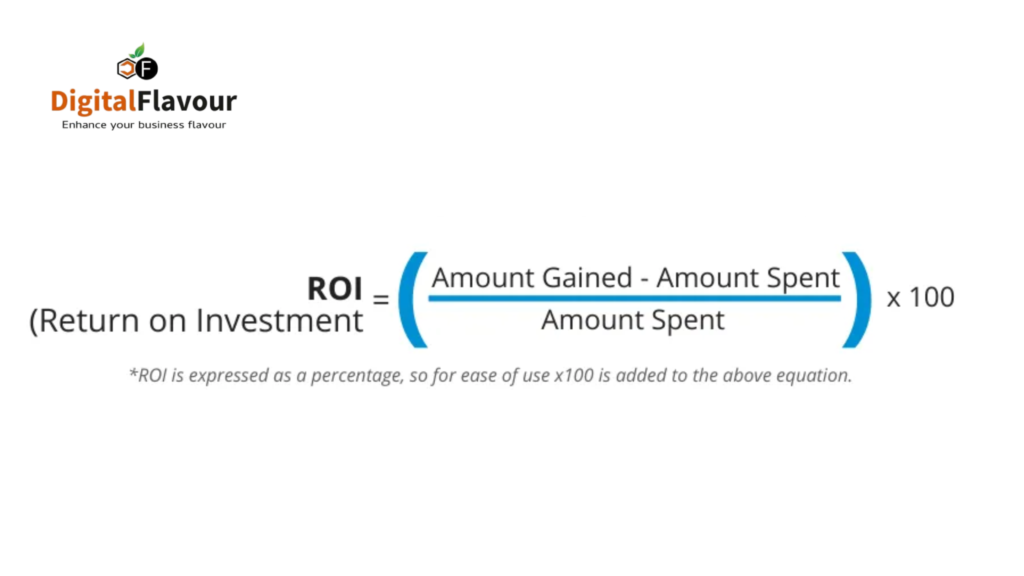
Cost Per Qualified Lead by Channel Total spend divided by qualified leads (not total leads). Track per channel to identify your most efficient sources.
Calculate: Total channel spend ÷ Number of qualified leads = CPL
Qualified leads meet your defined criteria (ICP fit, budget, timeline, authority).
Lead Quality Score Assign point values to demographic and behavioral factors. Track average quality score of leads by source.
If a channel generates high volume but low-quality scores, adjust targeting or pause the campaign.
Sales Cycle Length Time from first touch to closed deal. Shorter cycles indicate better lead quality and sales alignment.
Track by lead source. Channels generating leads with 30% shorter sales cycles are more valuable even if CPL is higher.
Customer Acquisition Cost (CAC) Total sales and marketing spend divided by number of new customers.
Formula: (Sales expenses + Marketing expenses) ÷ New customers acquired
Lifetime Value (LTV) Total revenue expected from a customer over their entire relationship with your business.
The golden ratio: LTV should be 3x or higher than CAC for sustainable growth.
Channel Attribution Understanding which touchpoints contribute to conversions:
- First-touch attribution
- Last-touch attribution
- Multi-touch attribution
- Time-decay attribution
Most businesses benefit from multi-touch attribution revealing the complete customer journey.
Tools for Tracking
Analytics Platforms:
- Google Analytics 4 (free, essential baseline)
- Mixpanel (behavioral analytics)
- Amplitude (product analytics)
CRM Dashboards:
- HubSpot (all-in-one marketing, sales, service)
- Salesforce (enterprise-level customization)
- Pipedrive (visual pipeline management)
Custom Reporting:
- Google Data Studio/Looker Studio (free visualization)
- Tableau (enterprise business intelligence)
- Power BI (Microsoft ecosystem integration)
Attribution Tools:
- Ruler Analytics
- Bizible (Marketo)
- HubSpot Attribution Reporting
Set up weekly reports tracking:
- Lead volume by source
- Lead quality by source
- Conversion rates by source
- Cost per qualified lead
- Pipeline value generated
- Closed revenue attributed
Common Mistakes to Avoid
Learn from others’ expensive lessons. These mistakes waste budgets and opportunities.
1. Chasing Quantity Over Quality
Generating 1,000 unqualified leads creates more problems than solutions. Your sales team wastes time on dead-ends, costs pile up, and morale drops.
Better approach: Define your ideal customer profile precisely. Optimize campaigns for quality signals. Better to have 50 qualified leads than 500 tire-kickers.
2. Ignoring Lead Nurturing Post-Capture
Studies show 50% of leads are qualified but not yet ready to buy. Failing to nurture means leaving money on the table.
Better approach: Build automated nurture sequences. Provide value over time. Stay top-of-mind so when they’re ready, you’re the obvious choice.
3. Not Aligning Sales and Marketing Teams
When sales and marketing operate in silos, leads fall through cracks and opportunities are missed.
Better approach: Establish service-level agreements (SLAs). Marketing commits to lead volume and quality. Sales commits to follow-up speed and feedback. Hold regular alignment meetings.
4. Failing to Optimize for Mobile
With 60%+ of searches happening on mobile, poor mobile experience kills conversions.
Better approach: Design mobile-first. Test extensively on actual devices. Ensure forms work flawlessly on smartphones. Monitor mobile-specific conversion rates.
5. Neglecting Existing Customer Referrals
Your best customers are your most credible salespeople. Yet most businesses don’t systematically ask for referrals.
Better approach: Build referral processes into your customer journey. Ask satisfied customers for introductions. Incentivize referrals. Track referral sources in your CRM.
6. Over-Reliance on a Single Channel
When one channel drives 80% of leads, you’re vulnerable to algorithm changes, price increases, or market shifts.
Better approach: Diversify across 3-5 lead sources. Test new channels quarterly. Build owned audiences (email lists, communities) that you control.
Conclusion: The New Rules of Lead Generation
Lead generation in 2026 isn’t about hacks or shortcuts. It’s about understanding your ideal customer deeply, meeting them where they are, and providing genuine value throughout their journey.
The businesses generating the highest quality leads have embraced several fundamental shifts:
From Interruption to Invitation: Modern buyers research independently. Your role is to be discoverable and helpful when they’re seeking solutions.
From Volume to Value: Ten qualified leads beat one hundred unqualified ones. Every time.
From Single Touch to Multi-Touch: Buyers need 7-13 touchpoints before converting. Your lead generation must span multiple channels and content types.
From Manual to Automated: Technology enables personalization at scale. Leverage marketing automation to nurture thousands of leads with the care previously reserved for a few.
From Siloed to Integrated: Your best results come from integrated campaigns where SEO, paid ads, content, email, and social work together toward common goals.
The strategies outlined in this guide aren’t theoretical—they’re the exact approaches we’re implementing at Digital Flavour for clients across India, UAE, USA, and beyond. Some will work better for your specific market and business model. The key is to test, measure, and optimize continuously.
Start with your foundation. Ensure your website converts effectively before driving traffic. Build your lead magnets and nurture sequences before launching paid campaigns. Then, implement 2-3 strategies from this guide. Master them before adding more.
Most importantly, remember that high-quality leads come from genuinely helping your target audience. When you solve their problems, answer their questions, and demonstrate expertise, lead generation becomes the natural result of your value creation.
Ready to Transform Your Lead Generation?
At Digital Flavour, we help businesses across India, UAE, and USA implement these exact strategies to generate qualified leads that convert into customers. If you’d like a customized lead generation strategy for your specific market and business model, let’s talk.
[Schedule a complimentary lead generation audit →]
About the Author
Ragini Neema is the CEO and Founder of Digital Flavour, a digital marketing agency serving clients across India, UAE, USA, and other high-growth markets. With over years of experience in digital marketing, Ragini has helped dozens of businesses transform their lead generation strategies and scale their revenue through data-driven marketing.
Digital Flavour specializes in SEO, paid advertising, content marketing, and conversion optimization for B2B and B2C businesses seeking sustainable growth through online channels.